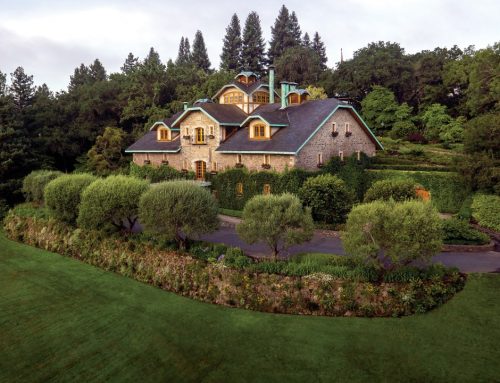
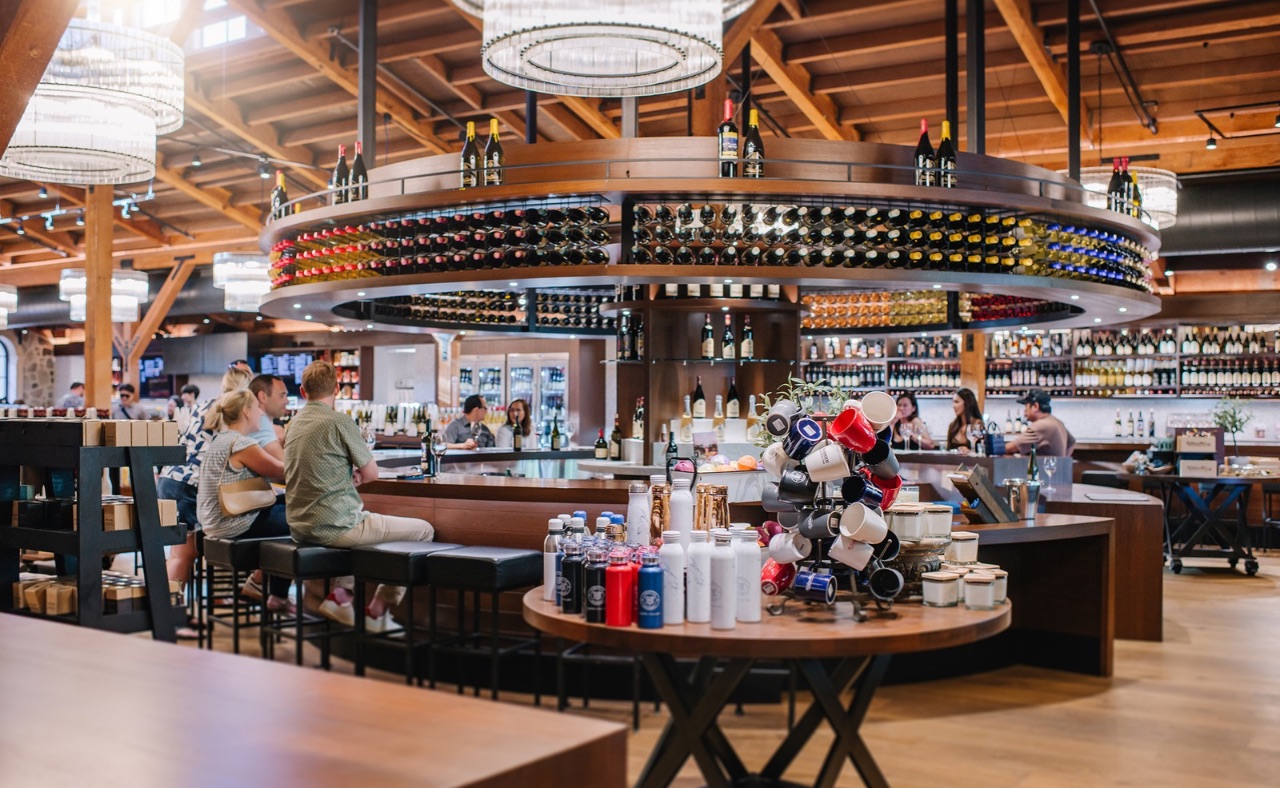
Grgich Hills Estate in Rutherford, Napa Valley
Interview with Ivo Jeramaz, Winemaker and Vice President of Vineyards & Production.
Grgich Hills Estate boasts a rich history dating back to 1977, founded by Mike ‘Mijenko’ Grgich, Croatian immigrant and renowned winemaker, and Austin Hills of the Hills Bros. Coffee family. The winery they built played a pivotal role in redefining winemaking in California, significantly contributing to the emergence of Napa Valley as a world-renowned wine region. Today, Grgich Hills Estate remains proudly family-owned and operated and committed to crafting wines of the highest quality, always with a deep respect for the land. We interview winemaker Ivo Jeramaz, who’s been working at the winery since 1986, when his late uncle Miljenko ‘Mike’ Grgich put him to work washing barrels.

What type of wine do you specialize in?
Ivo Jeramaz, Winemaker and Vice President of Vineyards & Production of Grgich Hills Estate: My uncle, Mike Grgich, made history when his 1973 Chateau Montelena Chardonnay won the Judgment of Paris in 1976, proving that Napa Valley wines could stand alongside the best in the world.

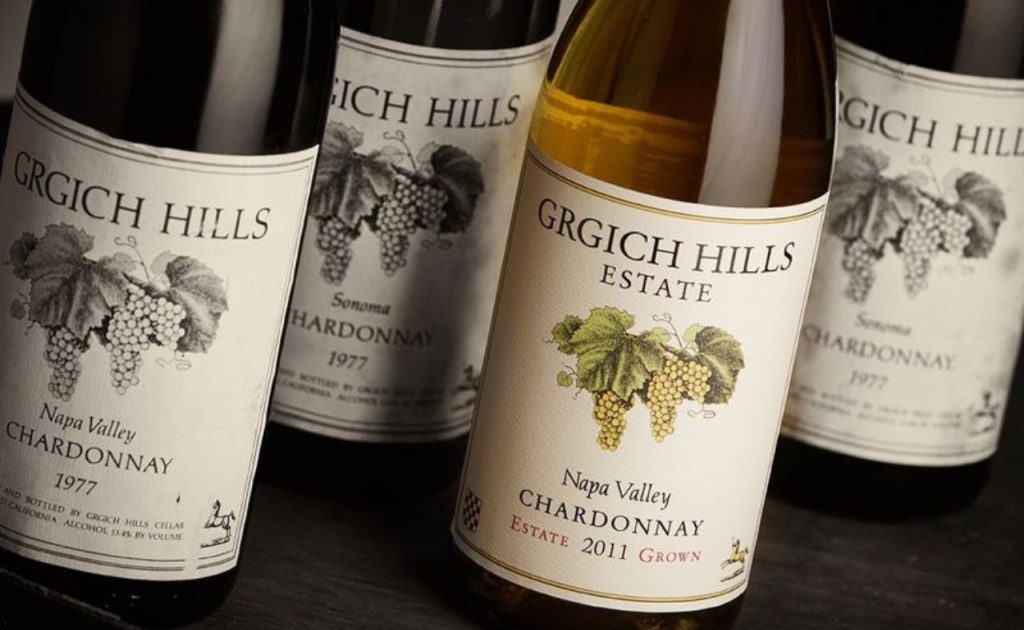
In part to that, the Estate is known for its iconic style of Chardonnay, playing homage to the grape that helped put Napa on the map and aided in his iconic career. Beyond Chardonnay, we specialize in crafting age-worthy, terroir-driven wines that showcase the best of Napa Valley, especially through our Cabernet Sauvignon offerings.

Our flagship wines all reflect our commitment to regenerative farming and low intervention winemaking. We also produce Merlot, Zinfandel, Sauvignon Blanc, and a Bordeaux-style red blend, each made with the same dedication to quality and regenerative farming practices. My focus is on letting the vineyard speak through the wine, without manipulation, so every bottle tells the story of our land and legacy.
What makes your wine unique?
Ivo Jeramaz, Winemaker: Our approach to winemaking is rooted in authenticity and balance, utilizing minimal intervention so that the vineyard and vintage naturally create the most complex and delicious flavors and aromas, all while allowing each wine to embody a true sense of place. Because all of our grapes come from our certified organic and regenerative estate vineyards, the vitality of our soils and the health of the ecosystem directly shape the complexity and character of each wine.

Relying on the strength of our estate vineyards, which comes in part due to our intense commitment to regenerative farming, allows the soil and grapes to guide the wine’s character with minimal intervention.
Wine is a living thing, as are our soils and vines, and we embrace its natural evolution while remaining true to our house style, which ensures every bottle carries the legacy and elegant quality of our estate.

Share a popular tasting experience
Ivo Jeramaz, Winemaker: We have multiple tasting experiences at the Estate, there is truly no wrong choice as our goal is to have something for everyone and welcome each person as if they are family. If you come into the tasting room, you have already done something right that day. At Grgich Hills Estate, we are extremely proud of the warm and welcoming atmosphere that we have curated. Our team embodies a philosophy of hospitality where every person who walks through the door immediately feels like they are the most important person in the world, ensuring that all of our guests leave with a smile.
A new and unique experience that we have just added to our list is The AVA Tasting. Guests taste through five unique Napa Valley appellations, experiencing the direct reflections of our Regenerative Organic Certified vineyards and the unique terroir.

What’s one thing you wish more people knew about your winery?
Ivo Jeramaz, Winemaker: Our deep-seated dedication to regenerative farming, both at the winery and as humans who inhabit this Earth, is something that innately defines us and is a driving force in every decision that we make.

People often hear about different farming methods, but regenerative farming is truly a step beyond—it’s about restoring and strengthening the land, not just maintaining it. Our approach focuses on building soil health, increasing biodiversity, and working in harmony with nature, rather than controlling it. That means planting diverse cover crops, grazing sheep to naturally manage the land, and using the wild yeast from our vineyards. These efforts don’t just make for healthier vineyards—they result in wines that are more complex, vibrant, and truly reflective of our terroir.

Every decision we make—from how we cultivate our vines to how we ferment our wines—is rooted in the belief that the land should be left better than we found it. When you drink a bottle of Grgich Hills, you’re not just enjoying a great wine—you’re supporting a way of farming that helps heal the Earth.

By harnessing solar energy, conserving water, and implementing waste reducing techniques, all while maintaining the highest standards of quality, we have achieved carbon negative farming, continuing to minimize our carbon footprint.
How did you get started in the wine industry?
Ivo Jeramaz, Winemaker: I was born in Croatia into a family of grape growers. As a boy, I helped make wine for my family, however, I never planned on becoming a winemaker. Believe it or not, my original dream was to become an engineer. I attended the university of Zagreb and earned my master’s degree in engineering. I had always wanted to come to California to pursue a career in engineering, and in 1986, with the help of my uncle, Miljenko “Mike” Grgich, I finally thought I was making that dream a reality—but life had other plans for me.

When I arrived in Napa Valley, I quickly fell in love with the region and became fascinated with winemaking. Mike put me to work right away washing barrels. Over the years, I worked my way up, learning every aspect of the winery, firsthand from my uncle. While I’ve taken enology and viticulture courses at UC Davis, I believe my greatest education has come from working side by side with Mike in the vineyards and the cellar.

Mike inspired me, not just as a winemaker but as a steward of the land. He taught me that great wine starts with great grapes, and that farming naturally—without artificial fertilizers, pesticides, or herbicides—is the key to creating wines that are truly authentic and expressive of our terroir.

What’s the biggest lesson you’ve learned in the winemaking process?
Ivo Jeramaz, Winemaker: A lesson that I still am learning and refining today is the importance of patience and adaptability. Innovation and improvement come with challenges, and nature often has its own plans. One unexpected hurdle we’ve recently faced is managing rodent populations—specifically mice and voles—in our regeneratively farmed vineyards. While creating a thriving ecosystem, we also unintentionally provided the perfect habitat for these animals, which feed on our plants and berries.
This growth moment allowed us to practice our adaptability in the vineyards and implemented natural solutions, like owl boxes, that sustain the balance of our regenerative vineyards all while allowing us to still make quality, authentic wines undisturbed. This experience has reinforced that in winemaking, being proactive and resourceful by utilizing tools that nature has already provided to us is key.

Describe your winemaking approach.
Ivo Jeramaz, Winemaker: Our wines have vitality behind them. At Grgich Hills Estate, we don’t just grow grapes—we cultivate life in the vineyard. Because we farm regeneratively across all of our estate vineyards, the land is alive with diversity, balance, and energy which translates effortlessly into each bottle and vintage.

Our job in the cellar is simply to protect and preserve what the vineyard gives us. That means using native yeasts, avoiding unnecessary manipulation, and allowing the wine to evolve naturally. There are hundreds, potentially thousands, of strains of wild yeast, and by preserving those in our winemaking process, we preserve the unique character of our land. Every decision is made with the goal of expressing place, vintage, and variety.

Our wines are not only complex and age-worthy, but vibrant and full of character, because they’re grounded in something much bigger than just winemaking. They reflect a living system that we’re proud to steward, and a belief that healthy soil makes exquisite wine.

What do you love about winemaking?
Ivo Jeramaz, Winemaker: What I love about winemaking is that it’s a never-ending journey of learning and improvement. The vineyard is alive, and every year brings new challenges and opportunities to build off of. For me, it all starts with the soil—the foundation of everything we grow. I study it every day, constantly searching for ways to make our vineyards healthier and more resilient.
One of the biggest obstacles to regenerative farming in the wine industry is mindset—many prefer to stick to tradition rather than embrace change. I wish I saw more of this movement taking root in Napa because its impact goes far beyond wine. Regenerative farming isn’t just about growing better grapes; it’s about restoring balance to the land and improving the food we eat. I like to say my day job is making wine, but my dream is to help heal the planet. When we farm regeneratively, food becomes medicine, and we give back to the Earth that gives us so much.
Do you have any winery traditions with your team?
Ivo Jeramaz, Winemaker: A tradition that has stood the test of time, originating from the very first harvest at Grgich Hills Estate, is our annual Blessing of the Grapes. This was a tradition started by Mike and Austin, who were understandably more than a little trepidatious as the first crate of grapes arrived at their newly built winery to be crushed. So, a blessing was in order – something to enliven spirits, assuage any nerves, and hopefully grant just a bit of luck to those grapes that would become our very first vintage of Grgich Hills wine.


47 harvests later and we’re still going strong, as is our annual celebration of the dawn of a new vintage. Each year, it serves as an opportunity to give thanks for our extraordinary legacy and look toward the future with hope and excitement.
How does your team help you as a winemaker?
Ivo Jeramaz, Winemaker: Though we started out small, our reach and production have expanded exponentially since the early days of Grgich Hills Estate. It’s been an incredible rise, but not one that would have been possible without a team of trusted and passionate individuals who make it all happen.

I see it every day out in the vineyards and in the cellar. Our people have genuine care and concern for the lands they cultivate and the wines they create, and their skill enables us to produce wines at the level of quality we do. This is another reason why Regenerative Organic agriculture is so important to us – it is staunch in its support of worker rights and social fairness, a quality that we strive wholeheartedly to embody.