Silver Oak Wineries in Napa Valley and Alexander Valley
Interview with Laura Oskwarek, Director of Winemaking
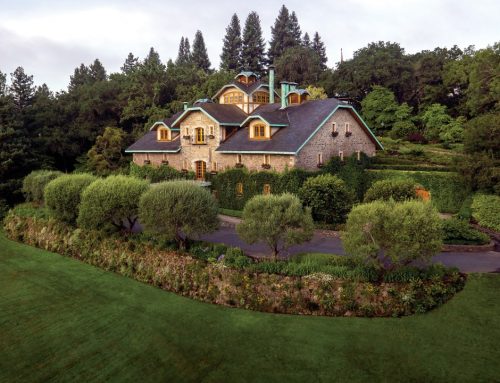
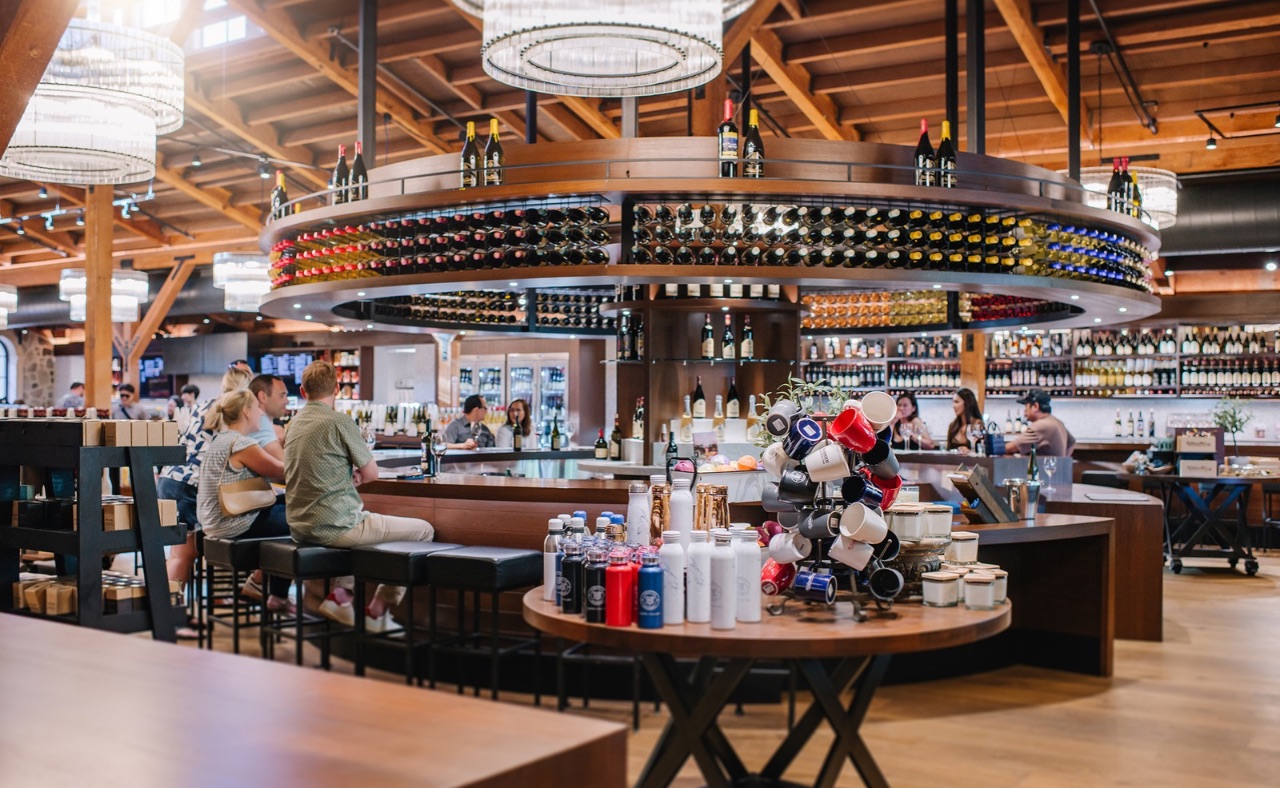
In the world of California Cabernet, Silver Oak stands as a singular icon, yet the brand’s identity is beautifully split between two distinct landscapes: the historic, stone-clad elegance of the Oakville estate in Napa Valley and the cutting-edge, sustainable design of the Alexander Valley winery in Sonoma.
Silver Oak was founded on a simple but powerful idea: to make great Cabernet Sauvignon that people genuinely want to share. The focus has always been on consistency and craftsmanship, which has allowed the winery to build trust across generations of wine lovers. Over time, Silver Oak has grown by adding estate vineyards and furthering their commitment to controlling every step of the process. We interview Laura Oskwarek, Silver Oak Director of Winemaking to learn more.
What type of wine do you specialize in?
Laura Oskwarek, Silver Oak Director of Winemaking: For five decades, our expertise and predominant focus has been on Cabernet Sauvignon. It’s the grape that has defined Silver Oak and has allowed us to truly understand its nuances across vintages. Cabernet can be intricate and structured, but also approachable and easy to enjoy. Each year, our goal is to find that sweet spot between depth and approachability. By committing to Cabernet, we can monitor every step, from how we farm the vineyards to barrel selection, all in service of making the best possible wine.

What makes your wine unique?
Laura Oskwarek: At Silver Oak there is deep respect for both the land and the people who care for it, and that combination is something you feel every time you open a bottle. One thing that sets our Cabernet apart is our dynamic with American oak. We make our barrels in our owned cooperage to our specifications, which allows immense control over wine development and maturation. Additionally, we work with a range of estate vineyards, so each blend carries layers. We were the first North American winery to own its own cooperage.
Another important distinction is that we age our wines until they are ready to drink, not simply ready to release, meaning our wines are aged longer than those of many other producers in Napa and Sonoma. That patience shows in the glass, with Cabernets that are balanced and complete from the first pour. Our aim is always to make wines that feel inviting yet beautifully crafted.

Share a popular tasting experience.
Laura Oskwarek: Guests often enjoy experiences that take them behind the scenes, so any that includes a tour is popular. Walking around the winery, seeing where the wines are made, and tasting a curated lineup creates a strong sense of connection.

What’s one thing you wish more people knew about your winery?
We are incredibly proud that both our Napa Valley and Alexander Valley wineries are certified LEED Platinum. Because for us, sustainability is not a trend but a long-term commitment and part of who we are. It influences how we manage resources and how we think about the future of our vineyards. We believe caring for the land today is essential.

How did you get started in the wine industry?
Laura Oskwarek: My academic background is in biology and chemistry, and I originally thought I would pursue medicine. While studying abroad, I became fascinated by how wine brought people together around the table. That sense of connection resonated with me.
When I returned to the States, I decided to explore winemaking as a career and enrolled at UC Davis. The combination of science and creativity felt like a natural fit. From there, I found my way to Silver Oak and never looked back. It has been a deeply rewarding journey.

What’s the biggest lesson you’ve learned in the winemaking process?
Laura Oskwarek: Patience is everything. You cannot rush great wine. Some of the best decisions involve restraint and knowing when to step back and let the wine evolve naturally. Additionally, small details matter tremendously. Tiny adjustments can have a big impact on the wine’s outcome. And finally, winemaking is a team effort. The best results come from respecting different perspectives.

Do you remember the first time you fell in love with wine?
Laura Oskwarek: I fell in love while living and studying abroad. The experience of sharing a homemade meal with family and friends alongside a glass or two of wine was memorable to me. I connect wine with celebration of the most meaningful moments.

Describe your winemaking approach.
Laura Oskwarek: The key is balance. I want our wines to feel rich but not heavy, and structured but still smooth. We work hard to protect the natural fruit while letting the wine slowly gain depth and character through aging. At the end of the day, what matters most is making wines to be enjoyed and remembered.

Do you have a favorite story about working at your winery? Guest experience, team experience?
Laura Oskwarek: Many of the best moments are from long exhausting days with the crew. We always find a way to laugh and enjoy our work. It’s a humbling experience after so many years to see guests come through the cellar and light up when they see our barrel rooms or fermentation cellar. It is a reminder of how special this place is and how meaningful it is to our guests.

What do you love about winemaking?
Laura Oskwarek: Every vintage tells a unique story. No two years are ever the same, which keeps the work exciting. I also love the blend of science and intuition. The entire process from grape to bottle is incredibly satisfying. And knowing our wines become part of people’s celebrations and milestones is truly meaningful. That human interaction is the most rewarding part.

Do you have any winery traditions with your team?
Laura Oskwarek: Our team has worked together for a long time. Joyful moments come up regularly and over time, those moments become traditions. Many of those traditions center around cooking together and sharing a meal. We grill on the crush pad all the time and every Halloween I cook breakfast for a team that is dressed up in costumes.

How does your team help you as a winemaker?
Laura Oskwarek: Winemaking is never a solo effort. The team brings experience and strong attention to detail that makes the wine better and having multiple perspectives involved in the winemaking process is crucial. The cellar team, vineyard team, lab team, and hospitality team all play a role in shaping the final product, even if they are not involved directly.
Their consistency allows me to focus on the bigger picture. Most importantly, they share the same Silver Oak pride. That collective effort appears in every bottle.