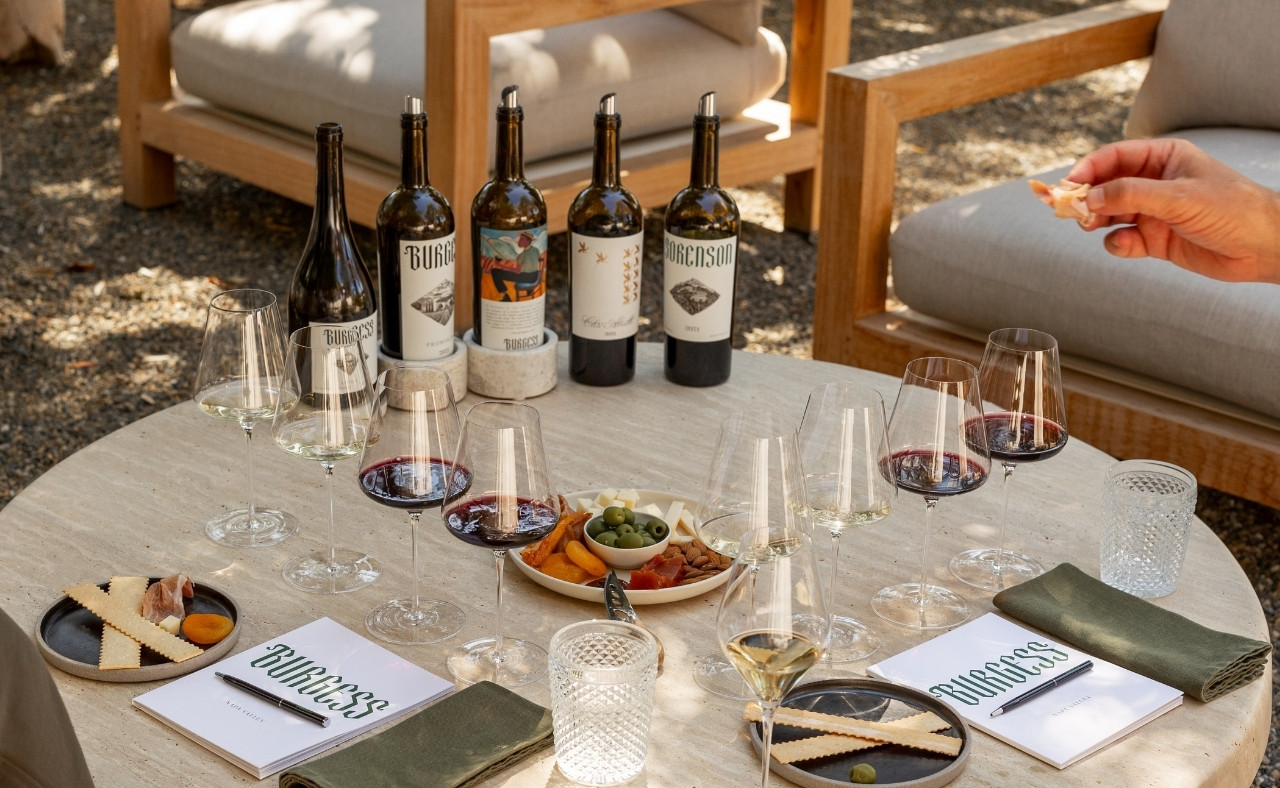
Burgess Cellars in Napa
Interview with Winemaker Reid Griggs.
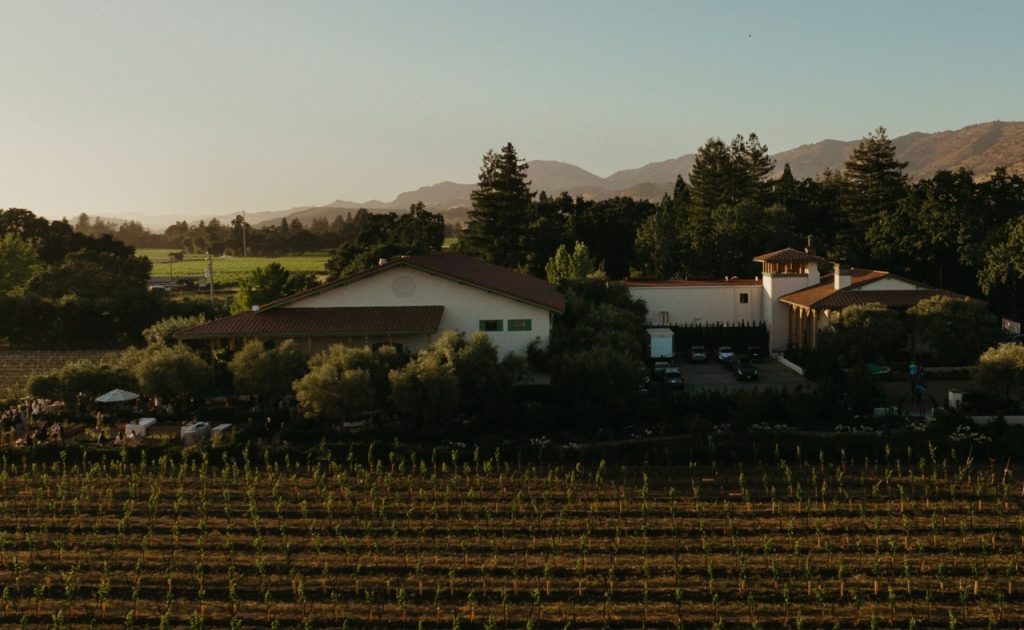
Founded in 1972, Burgess is the continuation of a vineyard legacy that began in the 1880s, when Sorenson Vineyard was planted by Swiss-Italian immigrants, the Rossini and Poncetta families.
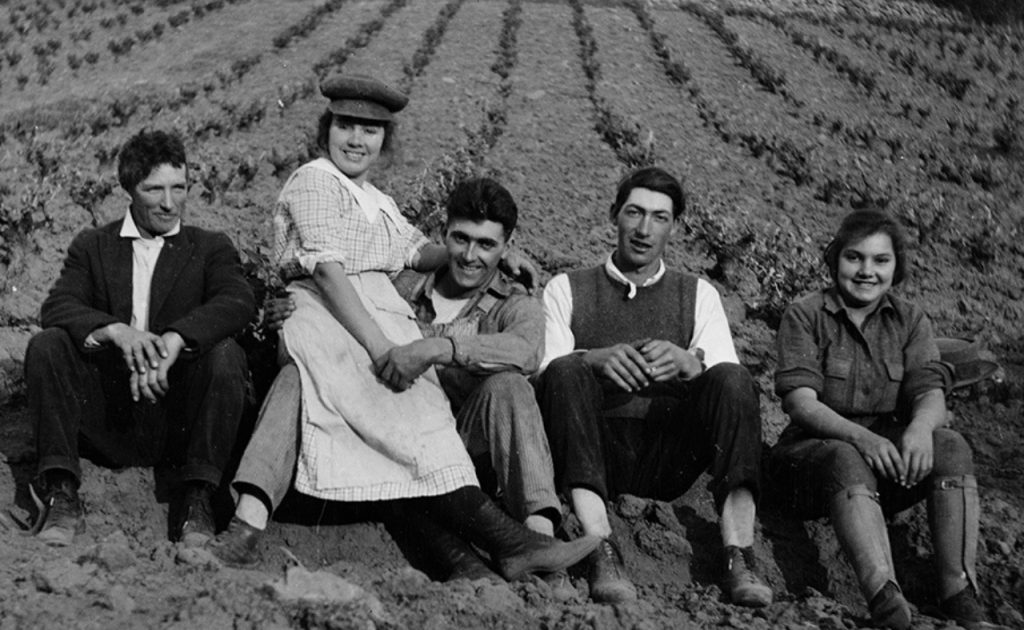
Known as Souverain from 1943-1972, Warren Winiarski, Mike Grgich, and Paul Draper begin their careers here. In 1972, Souverain’s Howell Mountain winery and vineyard were sold to former Air Force Pilot Thomas Burgess, and Burgess Cellars was born.
In 2020, Lawrence Wine Estates purchased the winery from the Burgess family. Their goal is to preserve the winery’s pioneering reputation and history of producing balanced, long-lived wines. We interview Reid Griggs, Burgess Cellars Winemaker to learn more.
What type of wine do you specialize in?
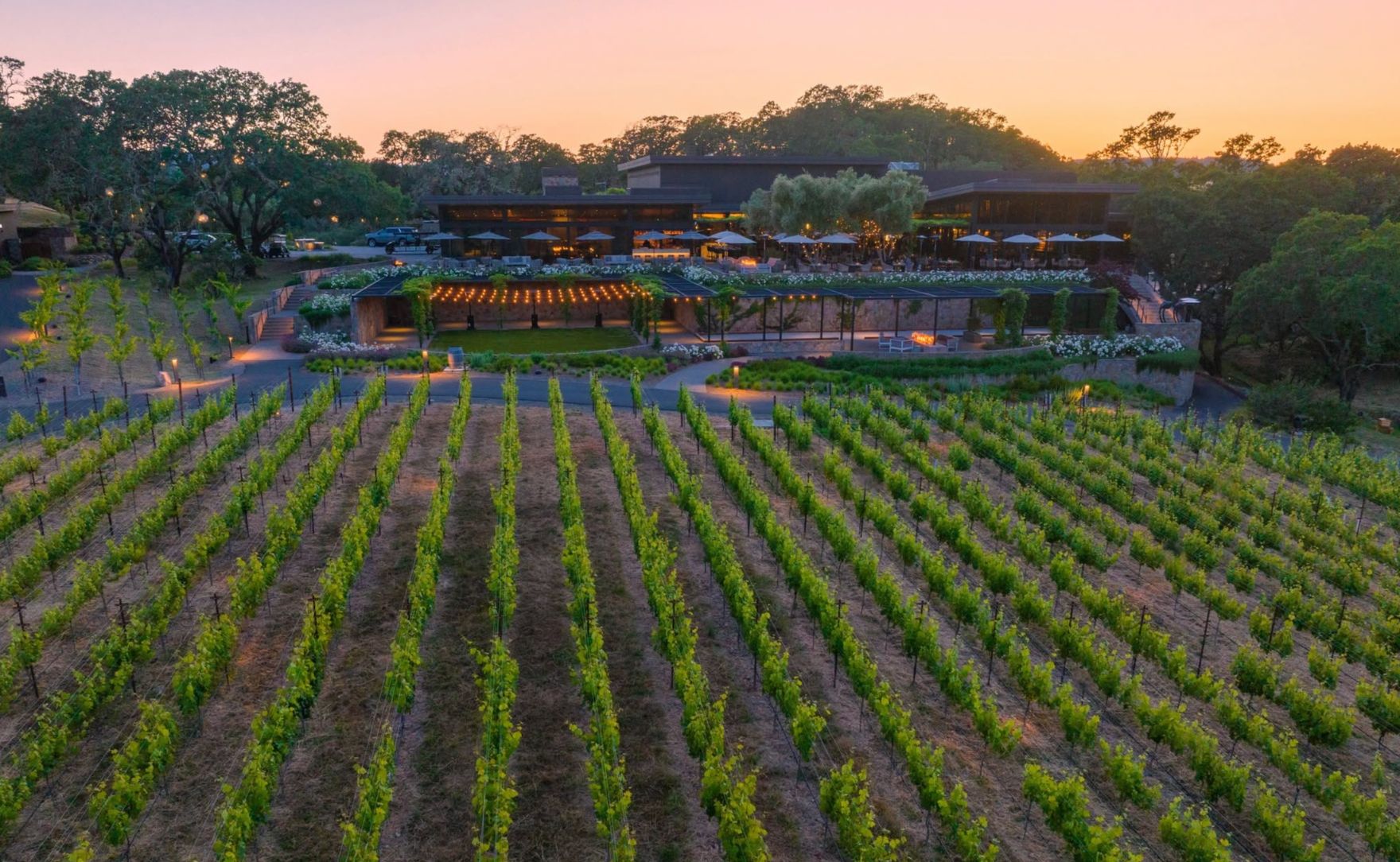
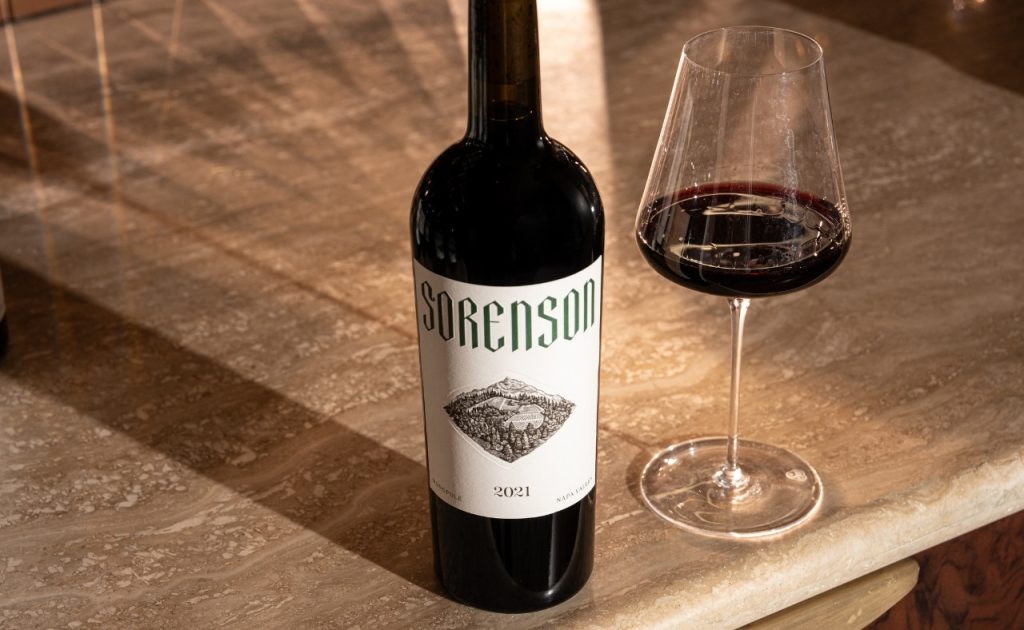
Reid Griggs, Burgess Cellars Winemaker: Cabernet Sauvignon is our specialty; we produce three single-vineyard Cabernet Sauvignons (Clos Abeille, Sorenson, and Quartz Creek), as well as three Napa Valley Cabernet Sauvignon blends (Contadina, Promiscua, and Artist Series). Sorenson Vineyard is our flagship and monopole, originally planted in the 1880s, with our 1980s plantings still supplying our fruit today.
What’s one thing you wish more people knew about your winery?
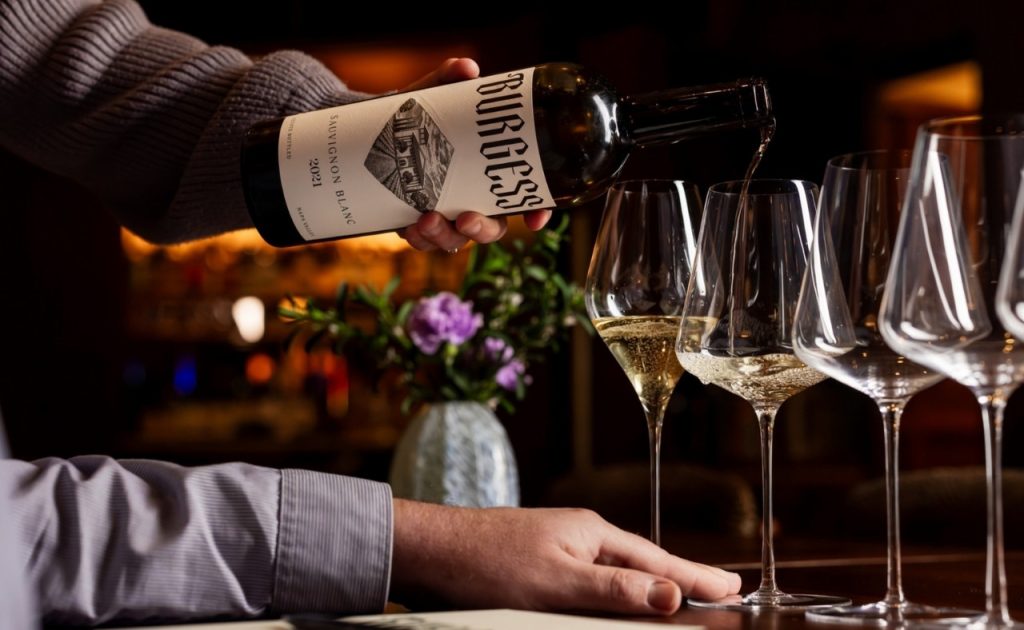
Reid Griggs: That there’s a wine and a price point here for pretty much everyone, and you can’t say that about every Napa Valley heritage producer. While Cabernet Sauvignon is our specialty, we also produce sparkling wine, Pinot Gris, and Sauvignon Blanc, not to mention a decades-deep library that includes varietals like Malbec and Syrah. Our Napa Valley Cabernet Sauvignon, Contadina, retails for $55, for example.
What makes your wine unique?
Reid Griggs: We begin fermentations using something called a pied de cuve, a kind of fermentation “starter” that we make using the native yeast from that same vineyard. This ensures that the unique microbial fingerprint of the vineyard and its surrounding flora contributes to the personality of the finished wine. The importance we ascribe to this practice—while not unique in Napa Valley—is rare here.
Share highlights about your redesigned tasting room.
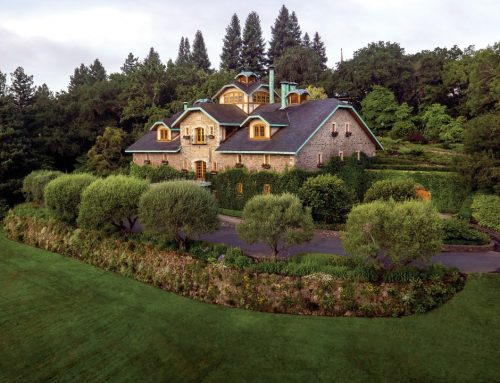
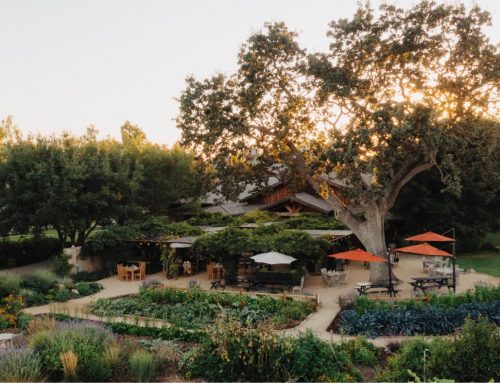
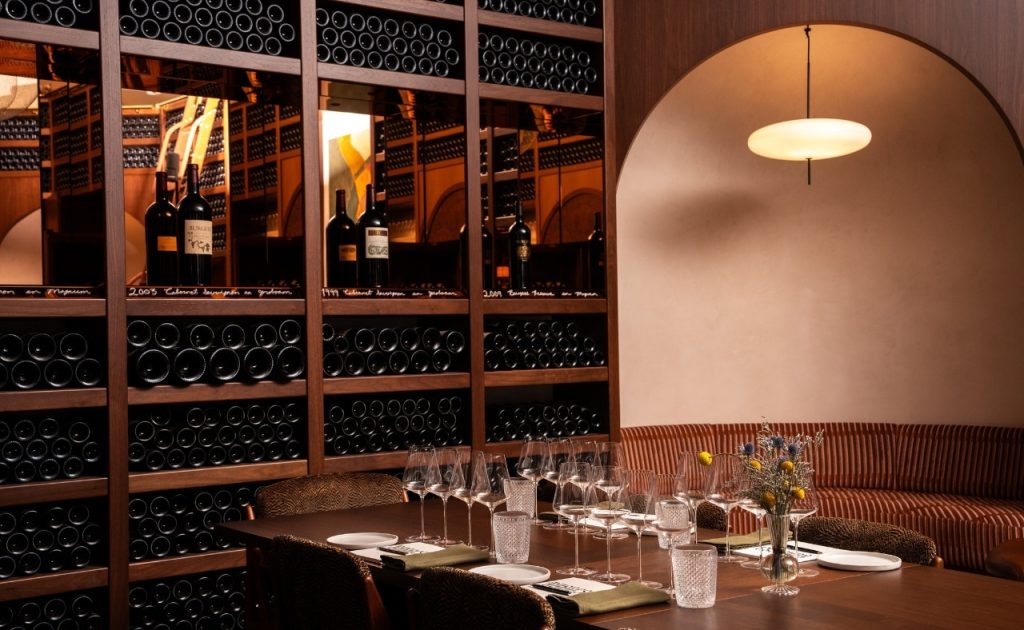
Reid Griggs: One of the coolest parts of a visit to Burgess is seeing our Speakeasy, hidden behind a bookcase in our Manor House. We keep older wines back there, surrounding a small, private tasting room with secluded booths. Our pollinator garden is beautiful too throughout the year, full of bees, bumblebees, and other native pollinators like butterflies.
How did you get started in the wine industry?
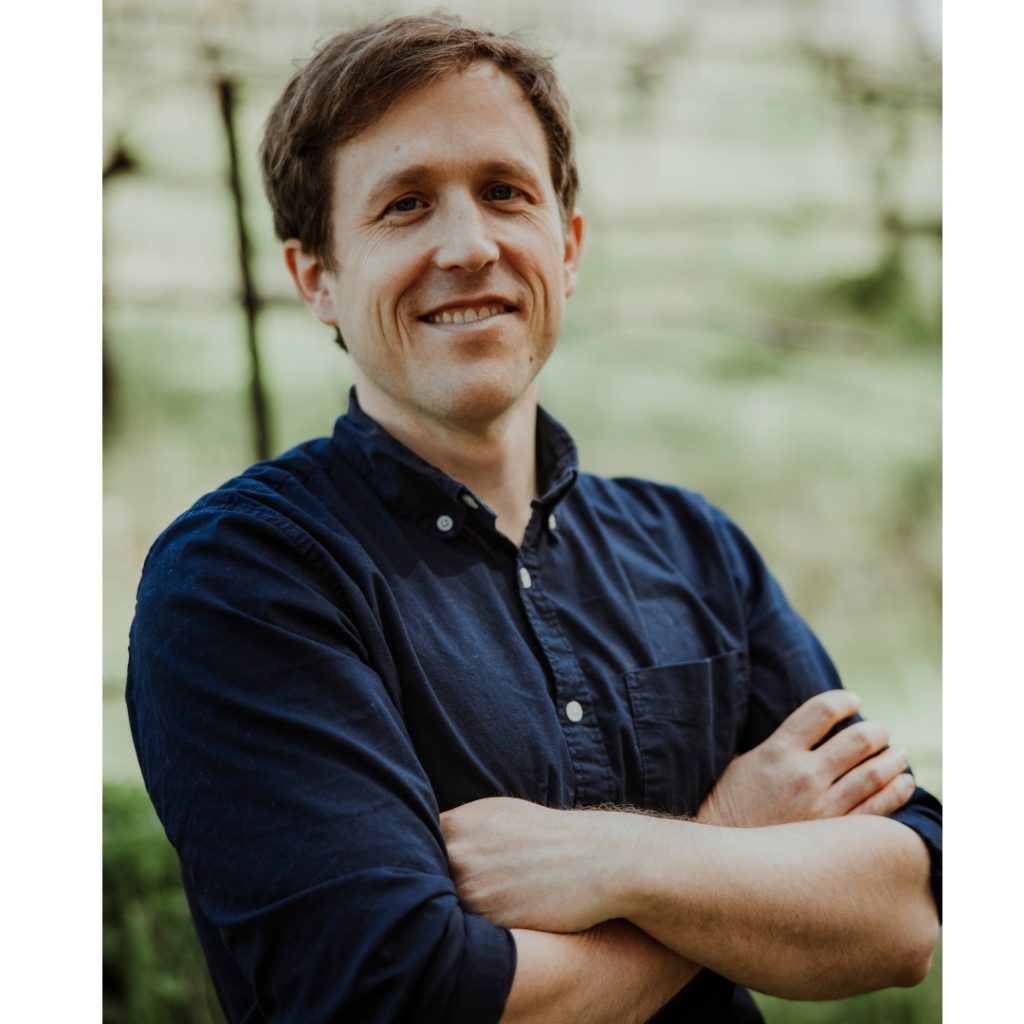
Reid Griggs: I began my journey with a fortuitous first internship at Bedrock Wine Co., and acceptance in the UC Davis graduate program for Viticulture and Enology. My wife inspired me to take this leap of faith.
What’s the biggest lesson you’ve learned in the winemaking process?
Reid Griggs: Patience, and the ability to trust my intuition.
Do you remember the first time you fell in love with wine?
Reid Griggs, Burgess Cellars Winemaker: I do. I went to Chico State and my appreciation of artisanal beer began there with Sierra Nevada Brewery. I was at a bar after college with a friend and at his suggestion, ordered a glass of Pinot Noir. I remember everything about that moment, where I was sitting, the light, the walls of the room, like it was yesterday. I distinctly remember how the wine changed in the glass, how the aromas and textures changed. I didn’t know a beverage could do that; I had never experienced anything like it.
It felt alive. I was so moved that I bought a bottle, which at ~$35 was an extravagant purchase for me at the time. I remember going home and looking up the producer. On their website, they spoke of fermenting fruit with wild yeasts and using traditional and natural processes. From there I signed up for a wine club that focused on small California producers and read the Jon Bonné book on California. I had no idea that people were making such real and special wines near where I had lived most of my life. It opened a whole world to me.
Describe your winemaking approach.
Reid Griggs: My winemaking is all about revealing the nuances of the place where the wines are grown. Accordingly, the winemaking starts in the vineyard. We want the vines to be in harmony with the place so that they transmit the story of the year most clearly. This means setting the stage for them to thrive, controlling the cover crop and weeds according to the specific soil underlying each foot of the vineyard, not having a blanket dogmatic approach, and only using irrigation when needed to keep the vines on the right path. Additionally, we adjust leaf cover and fruit load to match the particular location of each vine, where it sits on the property and in the local environment.
For me, capturing the moment of optimal ripeness is central to the effort of balanced and ageworthy wines: not under- or over-ripe, but ripe in a classical sense. Fruit is then treated gently in the cellar and again, here we set the stage for natural processes to occur by keeping the cellar very clean and controlling the environment to let the indigenous microbes on the fruit ferment that fruit.
Long gentle macerations are used to infuse the wine with the intrinsic structure of the fruit, which is produced by the vine in response to water availability or the lack thereof over the year. In this way, I try to let distinctive wines arise from the places they are grown.
What do you love about winemaking?
Reid Griggs: Winemaking and winegrowing require all of you, all your faculties; they’re totally consuming. You must be in tune with the seasons, in tune with the environment, pay close attention and act decisively in the vineyard and winery. You must possess a feeling for beauty and must have a technical understanding of winegrowing to be able to apply the correct techniques to the year and to realize your vision. I love that wine brings people together, both in its creation and in its enjoyment. I love that you spend so much effort in getting something right that you might not even taste many times in your life in its final form.
I love that it might outlast me, and that it carries with it a record of what we did and what the year was like and that people can taste that, it doesn’t even require language to communicate that. More than anything, as a cerebral and sentimental person, I love that you cannot “think” a wine into being. You have to feel your way through.

How does your team help you as a winemaker?
Reid Griggs: The wines we create would not be possible without our incredible team. They execute every detail to perfection, and make these wines what they are by bringing intention and focus to every moment that we care for the wines over the years from vintage to bottling.