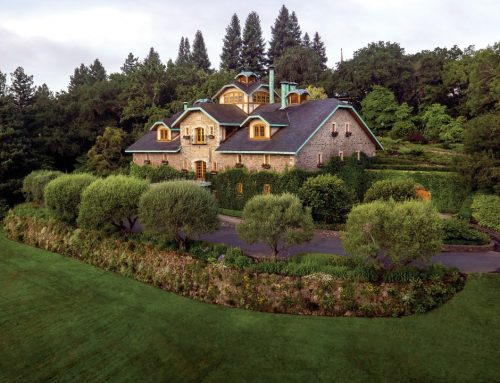
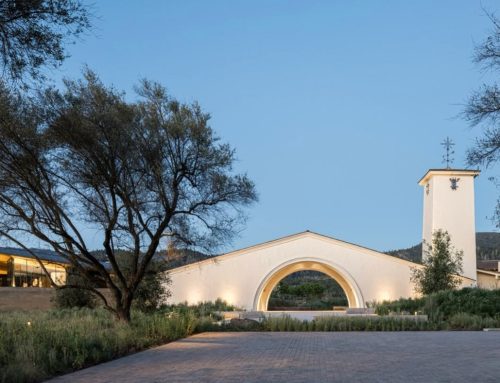
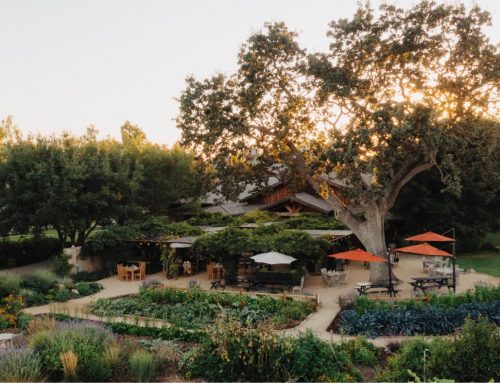
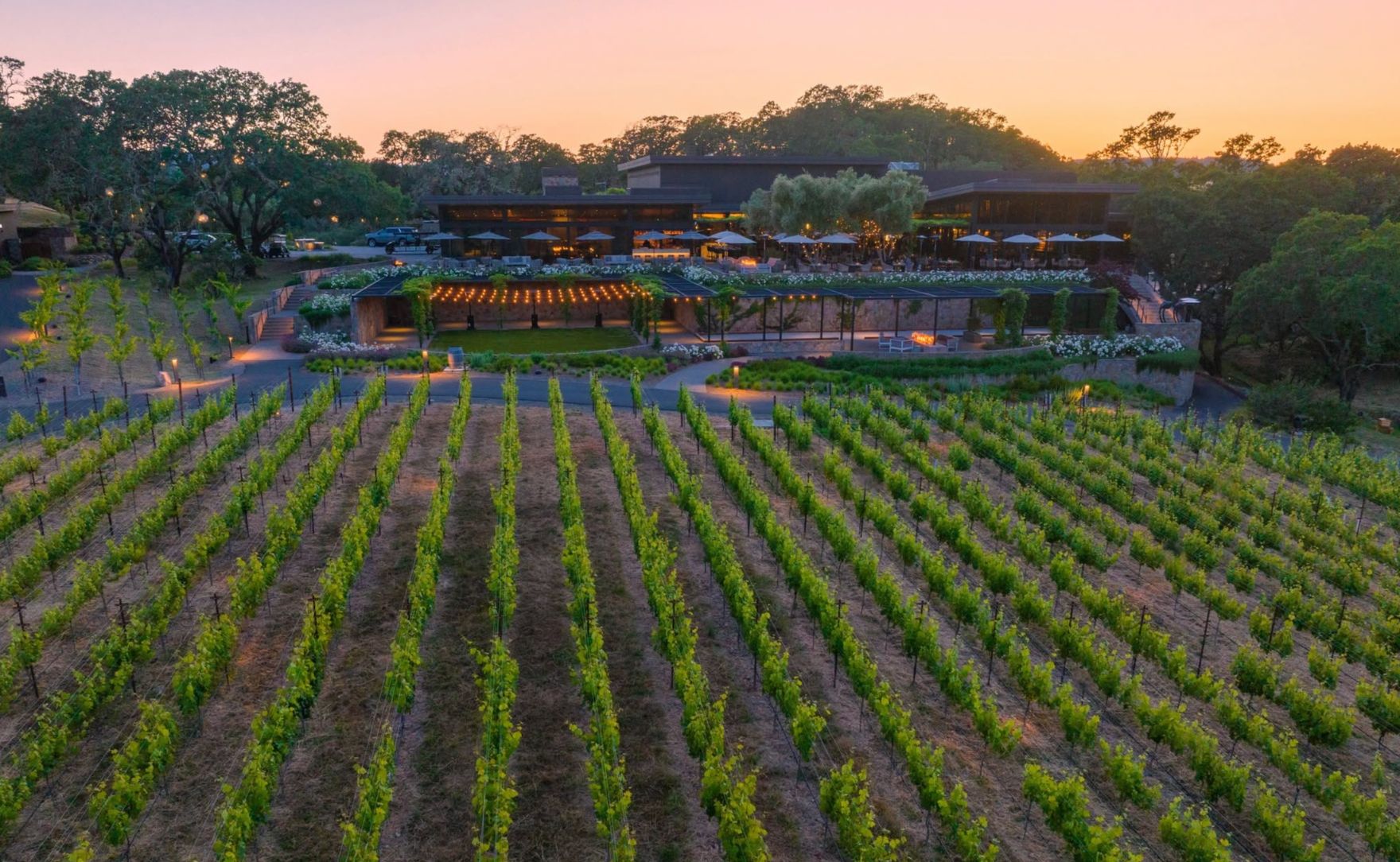
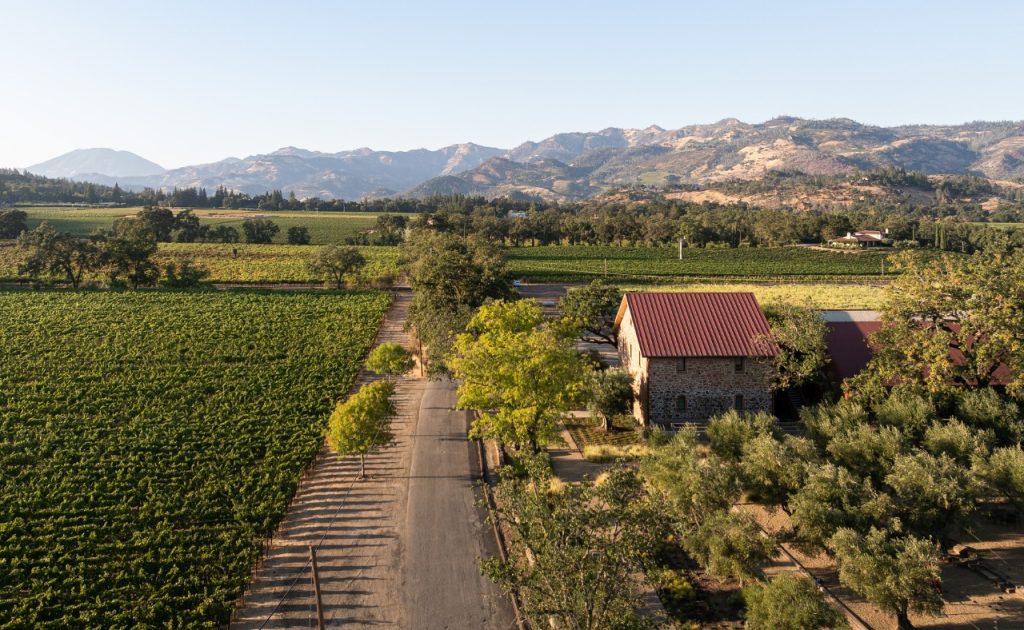
Ehlers Estate in St. Helena, Napa Valley
Interview with Head Winemaker Adam Casto.
With deep respect for the land and a steadfast devotion to the art of winemaking, Ehlers crafts estate-grown wines that reflect both their French roots and a forward-looking vision. Here, guests are welcomed as part of their extended family—invited to connect with their story wines, and with each other. We interview Ehlers Estate Head Winemaker Adam Casto to learn more.
What type of wine do you specialize in?
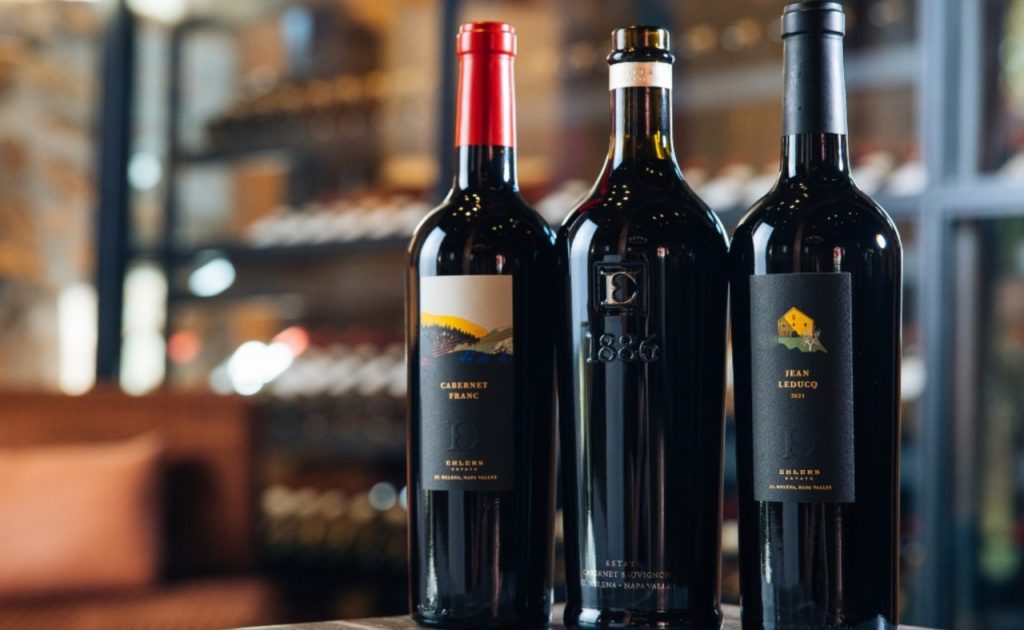
Ehlers Estate Head Winemaker Adam Casto: Being in Napa essentially requires specialization in Cabernet Sauvignon, and we certainly have achieved that, but I think the wines that we are most known for, or at least those we take most pride in, are the Cabernet Franc and Merlot.
What makes your wine unique?
Head Winemaker Adam Casto: That they are from here, versus anywhere else on earth is what makes them necessarily unique. In addition to that, the people that have built and operated the vineyard and winery for generations now have each introduced a variable, the sums of which are always just a step beyond us. This process is constant, it is never-ending, and the most enriching aspect of living a life in this work.
Like the vines, we are always becoming, understanding this is the basic premise of why this is a job worth doing. What makes each wine unique is primarily formed by the place, the material, and then by the people, but what, or “who” the wines are is better understood over time. The catch is both they and we are also always changing, so I guess it’s up to each person at each moment to decide what that is, and that’s about as true as it can be.
Share a popular tasting experience.
Head Winemaker Adam Casto: “At the Table with Ehlers” has become one of the most meaningful parts of my role as winemaker. Since 2024, I’ve had the privilege of being part of these intimate gatherings designed exclusively for our Wine Club members, and I can honestly say they’ve been some of the most rewarding moments of my year.
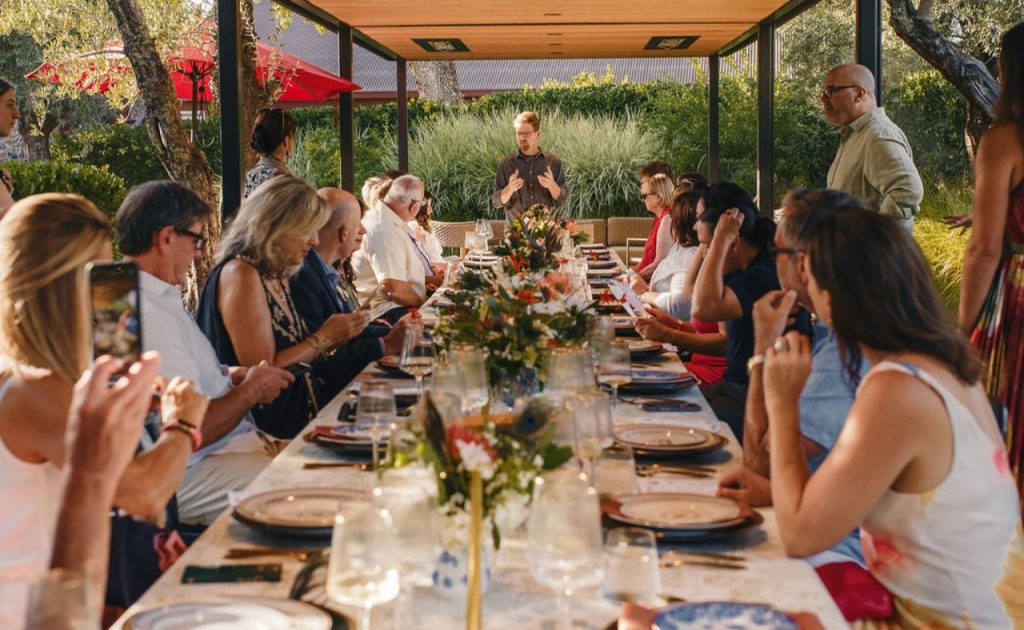

There’s something incredibly special about stepping outside the cellar and connecting with people across the country, not just pouring wine, but sitting down at the table and sharing stories, laughs, and a true appreciation for what we do at Ehlers. These events are about community, camaraderie, and creating spaces where wine becomes a bridge between people.
In 2025 alone, we hosted seven At the Table activations in cities across the U.S., each one different, but all equally heartfelt. They’ve allowed us to not only deepen relationships with our Wine Club members but also support our incredible trade partners in meaningful ways.
What’s one thing you wish more people knew about your winery?
Head Winemaker Adam Casto: I wish more people understood that value, real, meaningful value—is one of the most radical things a winery can offer in Napa Valley today. Ehlers Estate has long been known as a rare value in the valley.
We’re crafting wines with a level of intention, transparency, and precision that rivals many in the region. And yet, we choose to present those wines in a way that’s accessible,not diluted, not mass-produced, but honest. We feel that in a region that’s often associated with exclusivity, we view value as a form of generosity and an invitation to engage more deeply with what matters: site expression, intentional farming, quiet excellence, and human connection. We overdeliver because we believe substance should speak louder than price.

And frankly, I think that’s the future of Napa Valley, brands that are willing to challenge the assumption that luxury has to be inflated to be meaningful. We aim to elevate the experience without isolating the audience, to create wines that are not only worthy of cellars, but worthy of conversation and community.
What’s the biggest lesson you’ve learned in the winemaking process?
Head Winemaker Adam Casto: No matter how much you know, you’ve barely scratched the surface, and this extends to all of life. Practicing this in winemaking reveals a dispositional space that has dramatic implications for finding the right answers and solutions that can guide the wine to delightful destinations.
How did you get started in the wine industry?
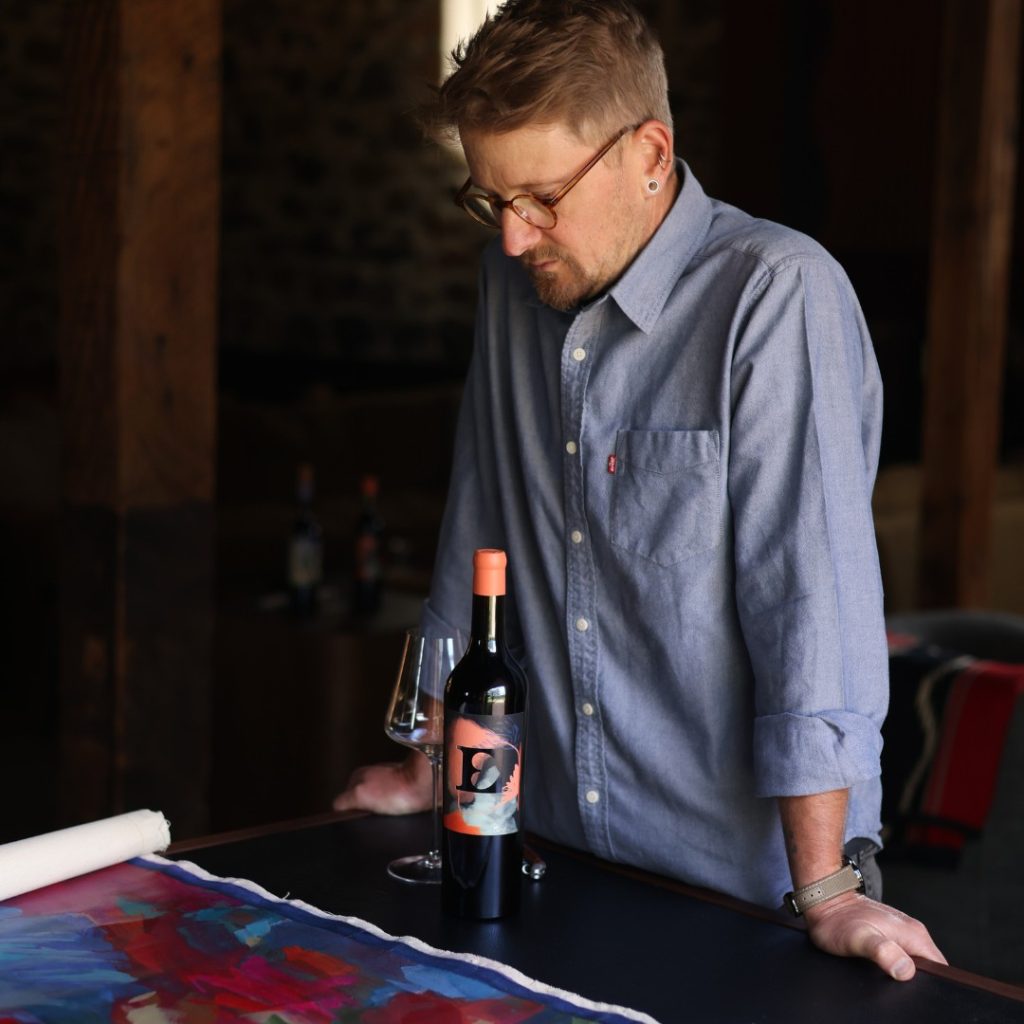
Head Winemaker Adam Casto: A chance encounter with George Hendry was the introduction of this career as existing, but there were innumerate experiences along the way that continued to not only drive my pursuit, but expand the idea of it to reaches I could not have before imagined. I think this feeling continues, with each vintage as well as each tasting. There is a line of absolute self-seriousness that borders with a total, chaotic disregard of self as meaningful that one hopefully learns to walk.
You have to be stupid enough to take the risk, smart enough to avoid disaster, and silly enough to take joy in it, knowing that it is this that inspires in both ourselves and each other the central value for an otherwise superfluous category of creation.
Do you remember the first time you fell in love with wine?
Head Winemaker Adam Casto: I remember taking interest because of maps, specifically vineyard maps of wines that I was tasting and realizing the potential to taste a location, but I do not remember the time I fell in love with wine. I think I am always re-learning to love wine, and the surprise of those moments are each a new little push, usually on something that I was wrong about, or had forgotten.

Describe your winemaking approach.
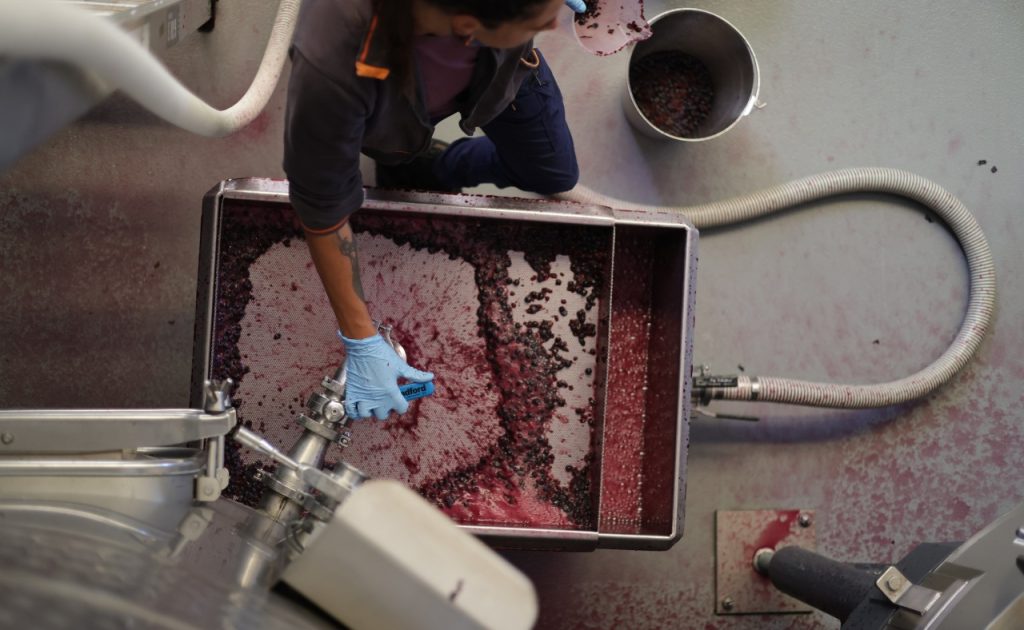
If you do this enough times and have any awareness at all, you become very familiar with the fact that there is no such thing as a great winemaker, but instead good winemakers that have great fruit. My approach is to identify the best traits of a site and lean into them, looking to produce the best version of what they are rather than what they are not. It is pretty amazing what can happen when all the pieces align in a vineyard, it’s a sort of magic that I think almost anyone can recognize and is the secret element that people gravitate towards across the wine spectrum. Don’t force it, you cannot make anything what it is not.
What do you love about winemaking?
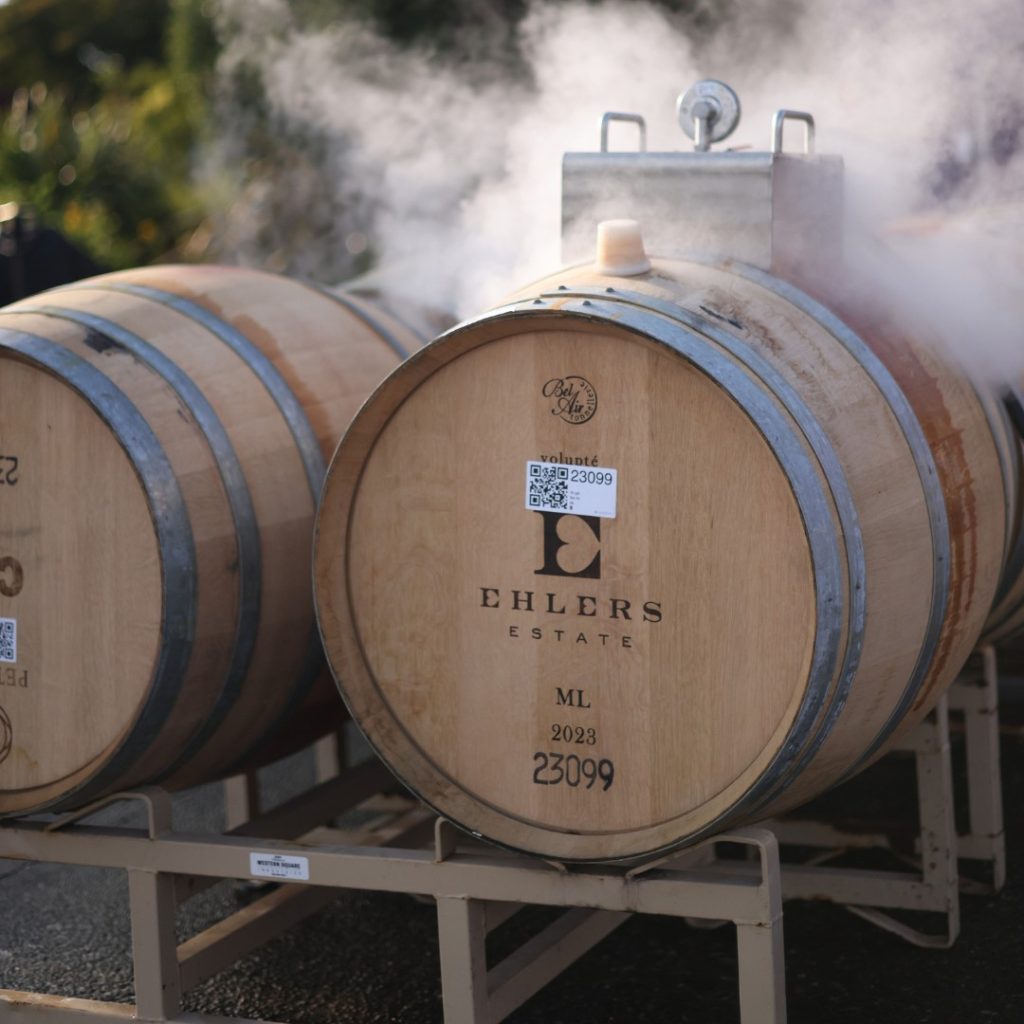
Well, first and foremost, it is very easy to do, but extremely hard to do well. Those kinds of challenges allow for infinite exploration and opportunity and provide tremendous life value. Second, even though wine has become (or is quickly becoming) a nearly-perfected industrial product, it is still at its core a practice of agriculture and by this forces an intimacy with things like weather, dirt, seasons, water, bugs, etc., and feels uncommanded and kind of ancient. I guess last is the ability to make a thing now that can be consumed , and maybe even be delicious, (potentially) long after you’re gone.

Do you have any winery traditions with your team?
Yes! As a values driven brand, we’ve implemented dedicated volunteer time for our team, with a quarterly Community Service Day that allows us to give back in hands-on, impactful ways. For the past three years, our team has partnered with the Redwood Empire Food Bank, supporting their essential work to combat food insecurity across Sonoma County and beyond. What I love most about these days is that they are more than just volunteer hours, they are a reflection of who we are as a team and as a brand. Just as we care for the land we farm, we care for the community we’re part of.