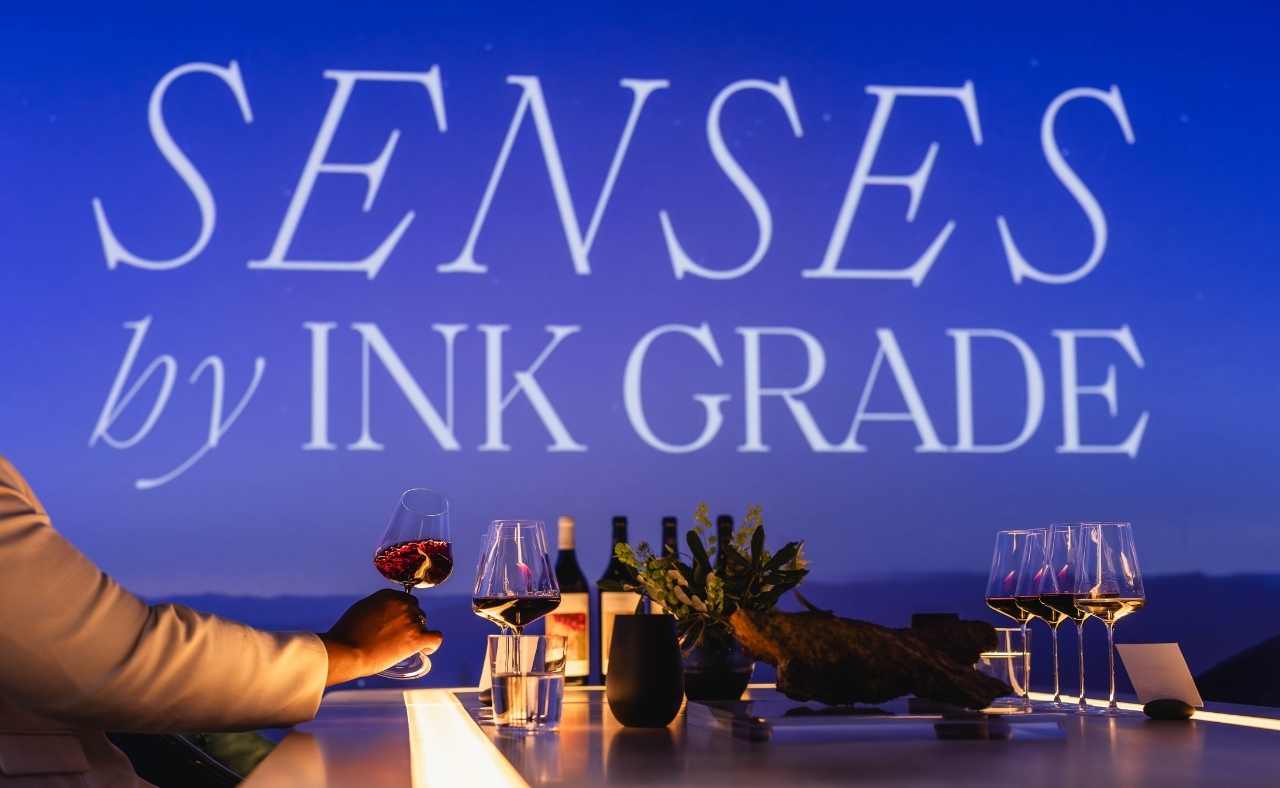
Ink Grade Estate in St. Helena, Napa Valley
Interview with Winemaker Matt Taylor.
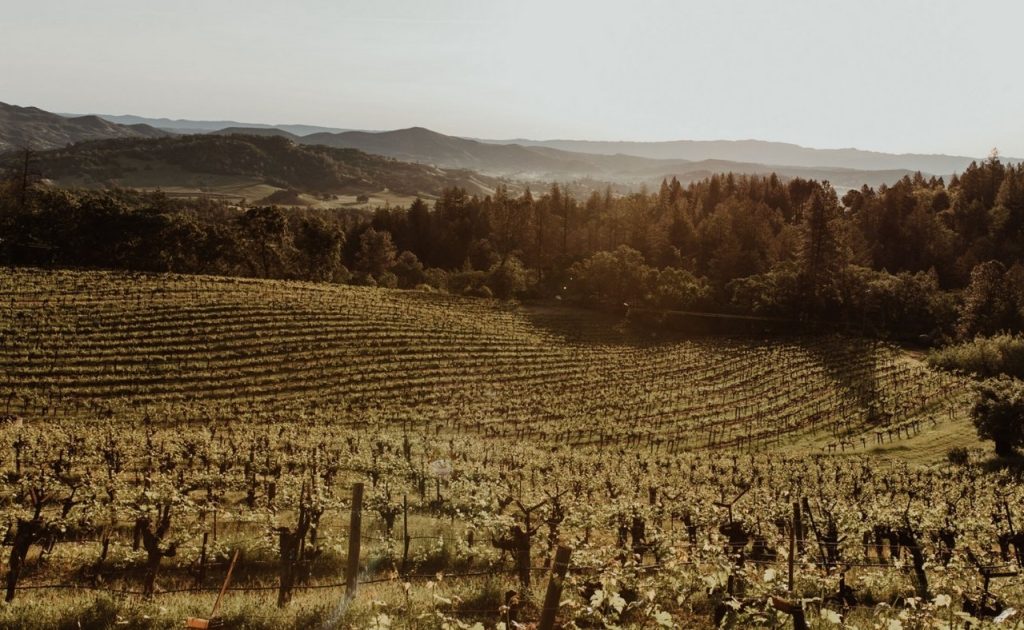
Ink Grade Estate’s vines were planted in 1873 by a pioneer named Theron Ink and represents Howell Mountain AVA’s northernmost vineyards, and some of its highest (up to 2,200ft). It’s also Napa Valley’s largest biodynamically farmed vineyard.
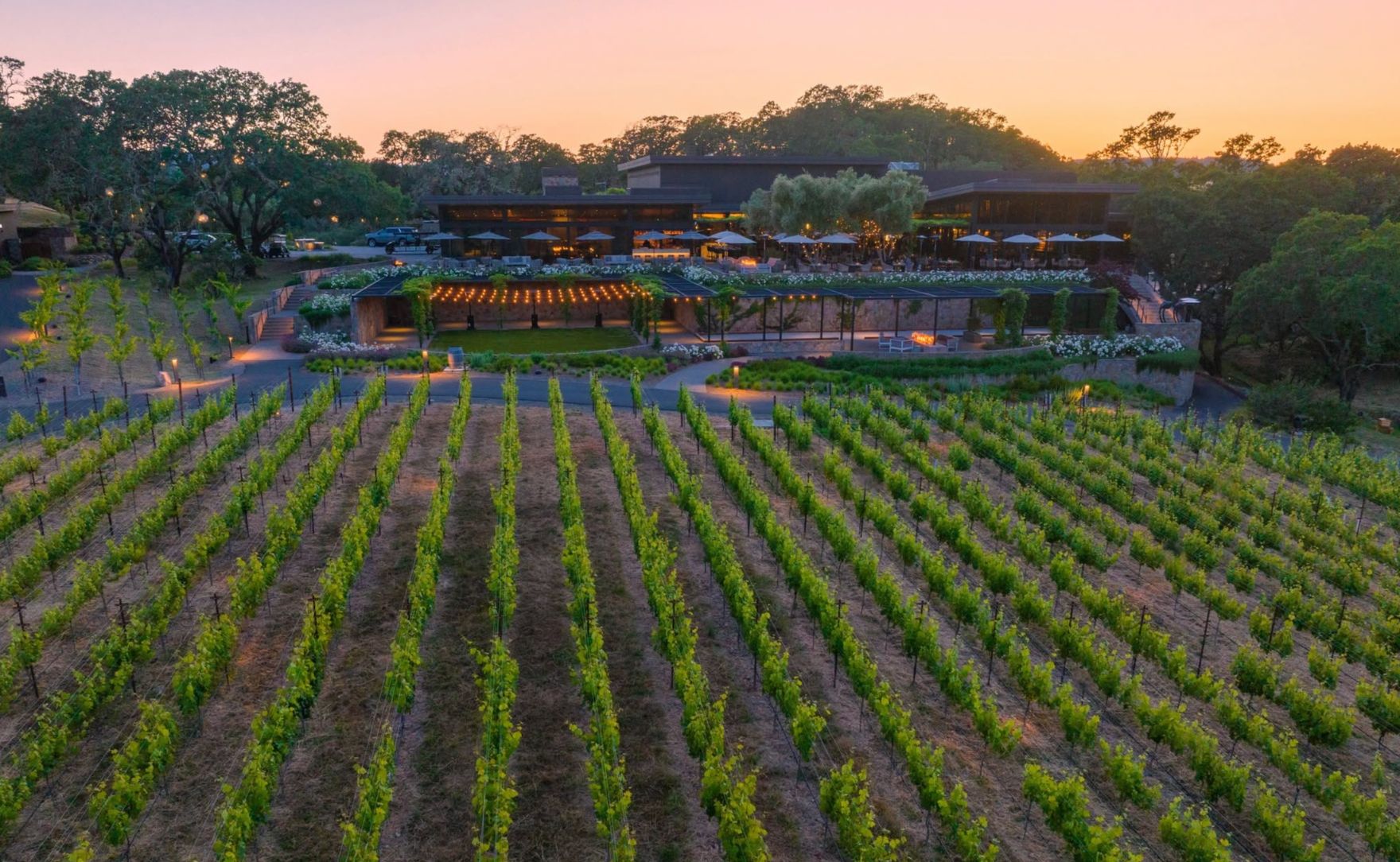
Immerse yourself in the history, tradition, and elegance of Ink Grade at The Pavilion in St. Helena. Featuring two exclusive tasting experiences, their single-estate wines are presented in a luxurious environment while imparting the essence of Howell Mountain Estate.
We interview Ink Grade Estate Winemaker Matt Taylor to learn more.
What type of wine do you specialize in?
Ink Grade Estate Winemaker Matt Taylor: Cabernet Sauvignon is the specialty, with three single-plot wines selected for their consistent individuality, and a single-plot Merlot, which is one of the highest-elevation Merlots in Napa County. Additionally, we make a Howell Mountain Cabernet Sauvignon and a Napa Valley Cabernet Sauvignon and Sauvignon Blanc.
Share a popular tasting experience.
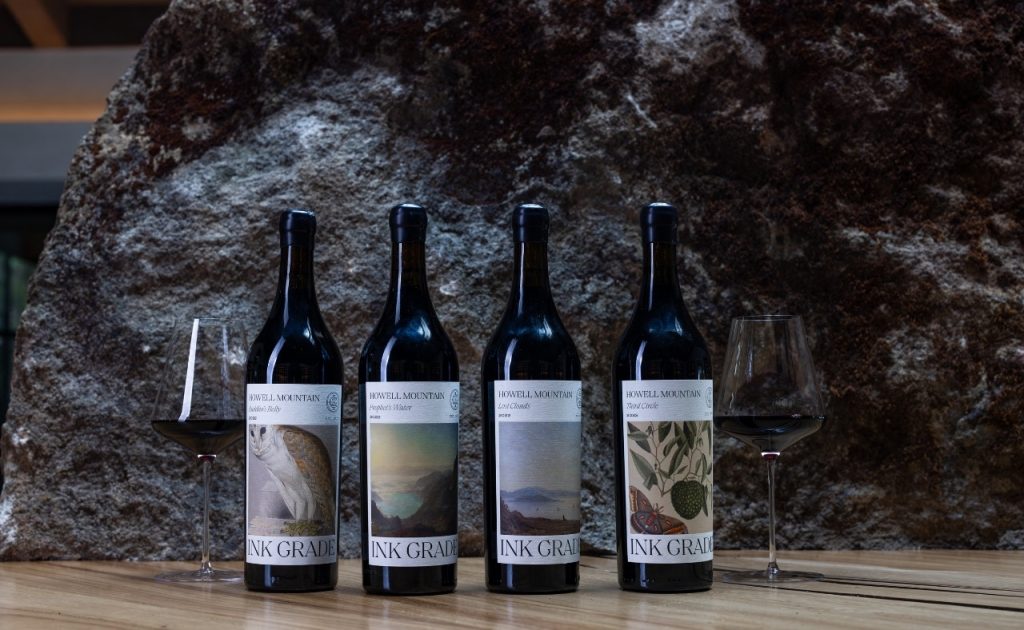
Winemaker Matt Taylor: The SENSES experience, at our tasting pavilion in St. Helena, offers a novel way to experience our collection of single-estate wines. You’ll explore the vineyard, harvest, and winemaking process through immersive images and sound. You’ll also enjoy four current releases as you journey across one of Napa’s most prestigious AVAs, Howell Mountain. It’s a truly remarkable experience.
What makes your wine unique?
Winemaker Matt Taylor: These are Howell Mountain’s most graceful, classically styled wines. We’re able to coax a remarkable spectrum of flavors from these hillsides at modest alcohol levels. These are wines that have the structure and balance to age for decades.
What’s one thing you wish more people knew about Ink Grade Estate?
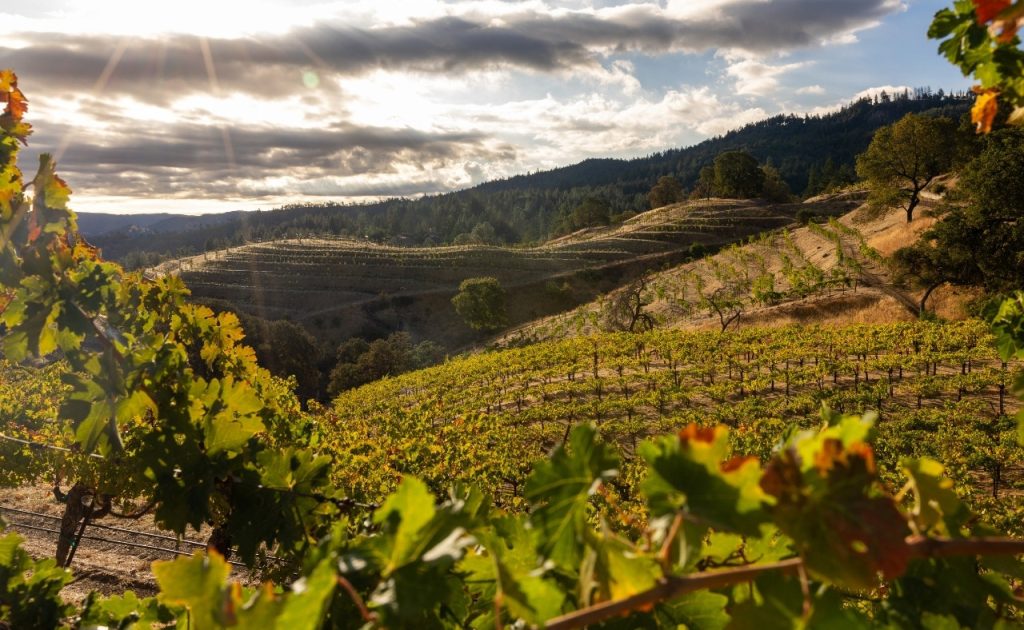
Winemaker Matt Taylor: Ink Grade is one of the most exciting vineyard sites on Howell Mountain. Joe Heitz was so prescient when he planted this hillside high in the northeast corner of Howell Mountain AVA in 1990 and 1991. The multiplicity of exposures and aspects are incredibly distinct—and are predominantly over 30° slopes, something that cannot be planted anymore in Napa County. This magic will never be duplicated.
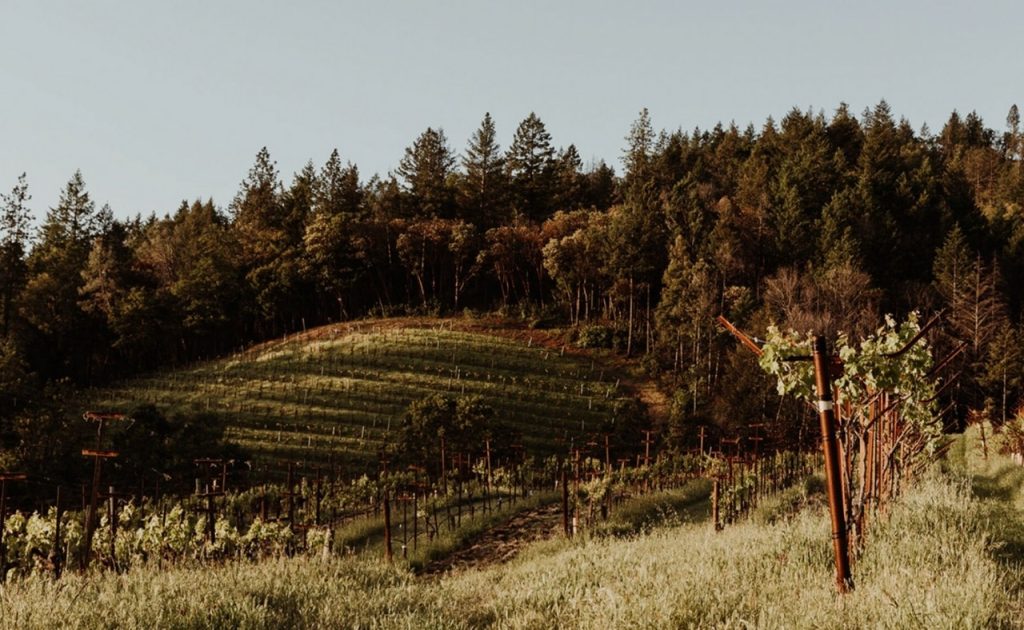
What’s more, they were planted in the old school way—via California Sprawl (Geneva double curtain, lyre, and elkhorn), before vertical shoot positioning became de rigueur in the Napa Valley. This means that at Ink Grade, phenolic ripeness and sugar ripeness occur more closely in tandem, making for lively acidity and intense flavors at modest alcohol levels. The wines are getting attention in all the right places in fine dining in America, not to mention a number of savvy collectors.
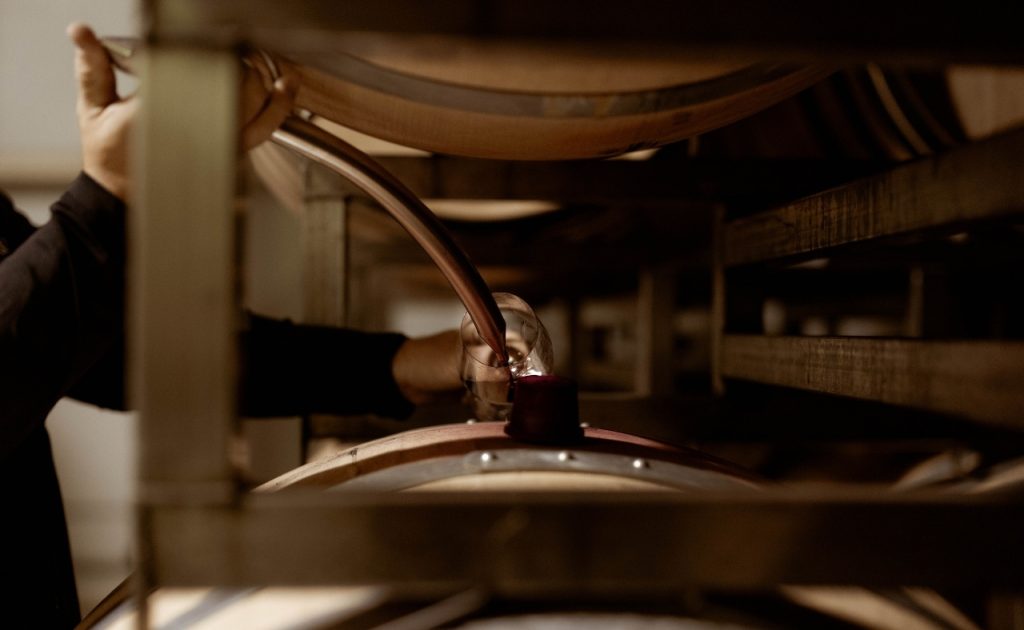
Share details about your tasting room.
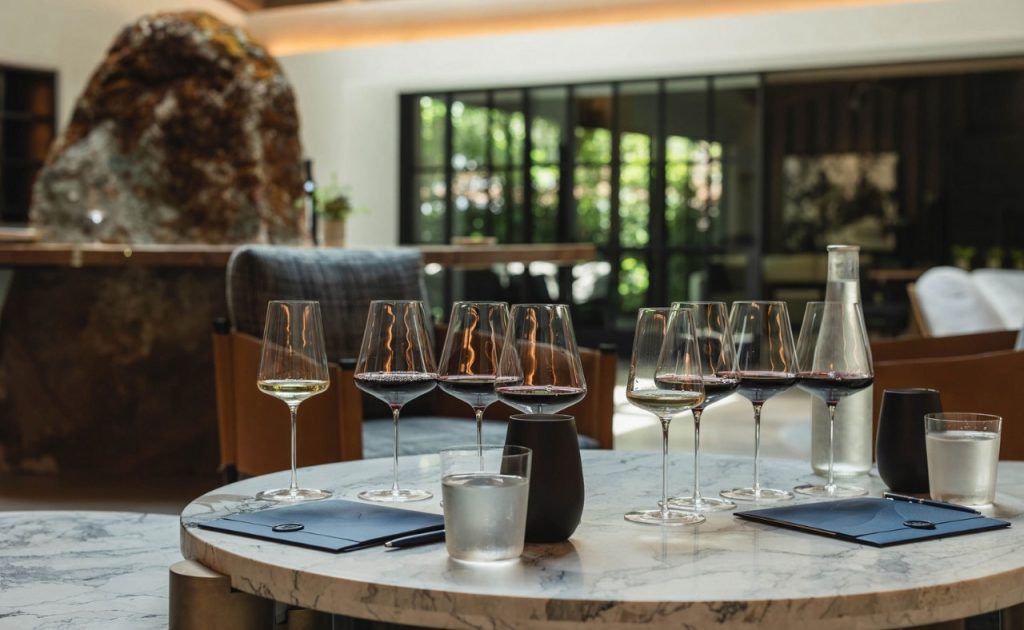
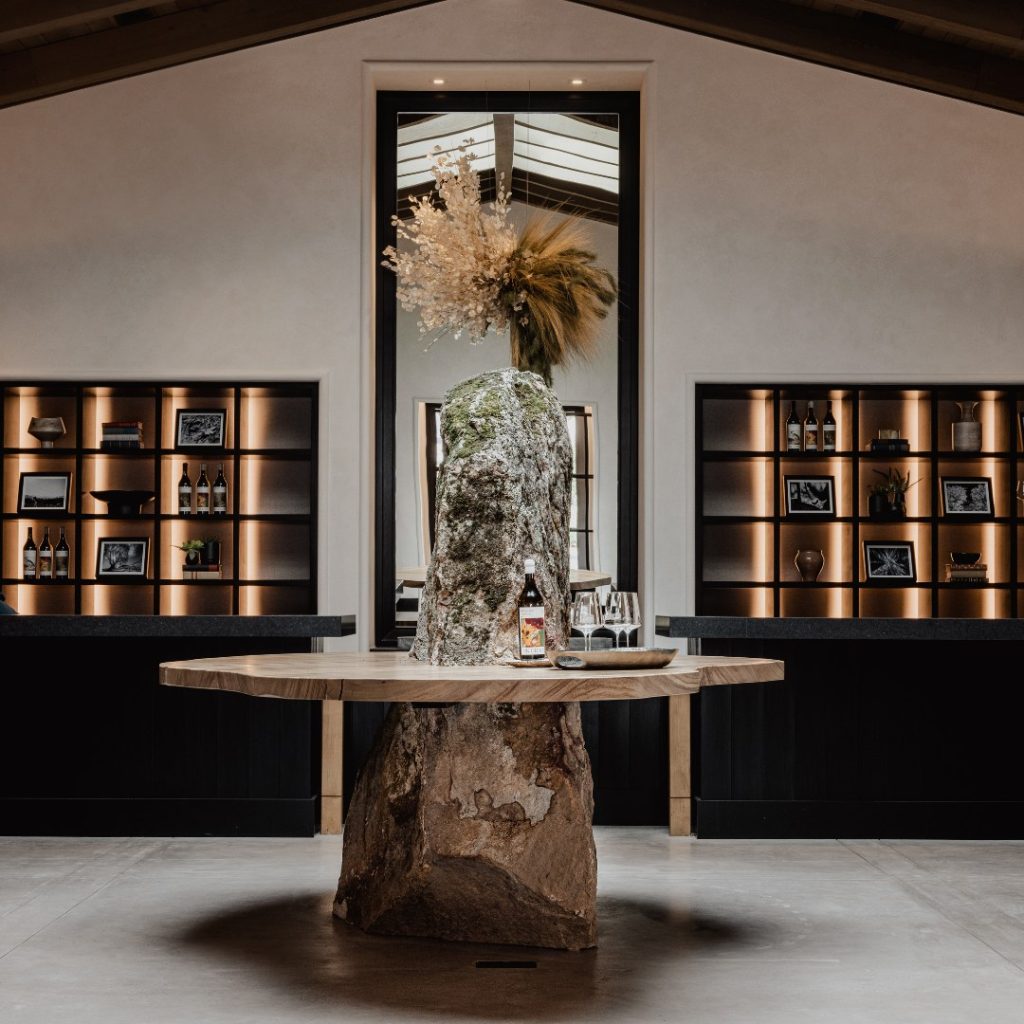
Winemaker Matt Taylor: Our tasting Pavilion in St. Helena was completed in 2023, and as our CEO Carlton McCoy MS said at the time, “The design embodies the ethos of Ink Grade in that it extracts elegance from rusticity.” The design juxtaposes rugged and refined elements like carved wood, blackened steel, textured fabrics, and natural stone boulders sourced from volcanic “tufa” and basalts from the vineyard. Organic forms echo throughout the indoor-outdoor space.


How did you get started in the wine industry?
Winemaker Matt Taylor: It was Chris Bilbro of Marietta Cellars who was the original inspiration in my life. Chris was a true Renaissance man, making wine almost entirely by what he tasted vs what any analysis could give him. But he was also routinely taking me, a young teenager, along with his sons to go abalone diving, mushroom hunting, and pig hunting, followed by a breakdown of everything we harvested, and a complete meal made from our bounty followed with some Marietta wine on the table. To say I was hooked into the lifestyle Chris led at a young age would be an understatement. I wanted to be Chris!
What’s the biggest lesson you’ve learned in the winemaking process?
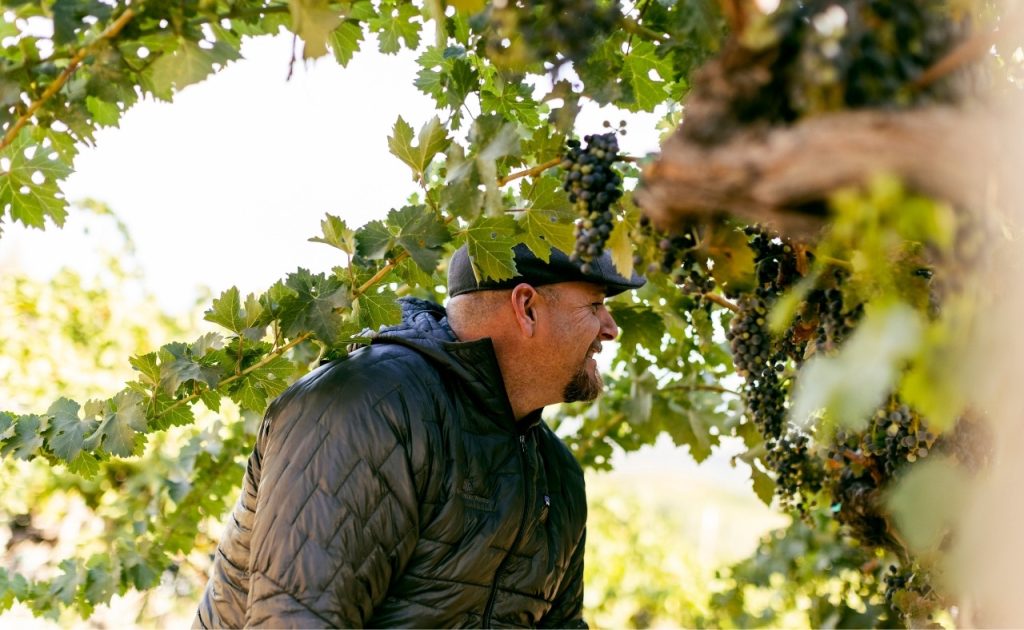
Winemaker Matt Taylor: I think a major element we forget is that we are more connected to nature and life than we can ever imagine, and utilizing your innate ability to listen to what nature is trying to tell you is something most people lack experience with. Learning a recipe and a style is the first step in learning how to make wine, then comes one’s desire to try variations, but to make wines which impact one’s inner core and reverberate within one’s soul, wines of original creation, that only comes from participating with and helping to heighten what nature wants to provide.
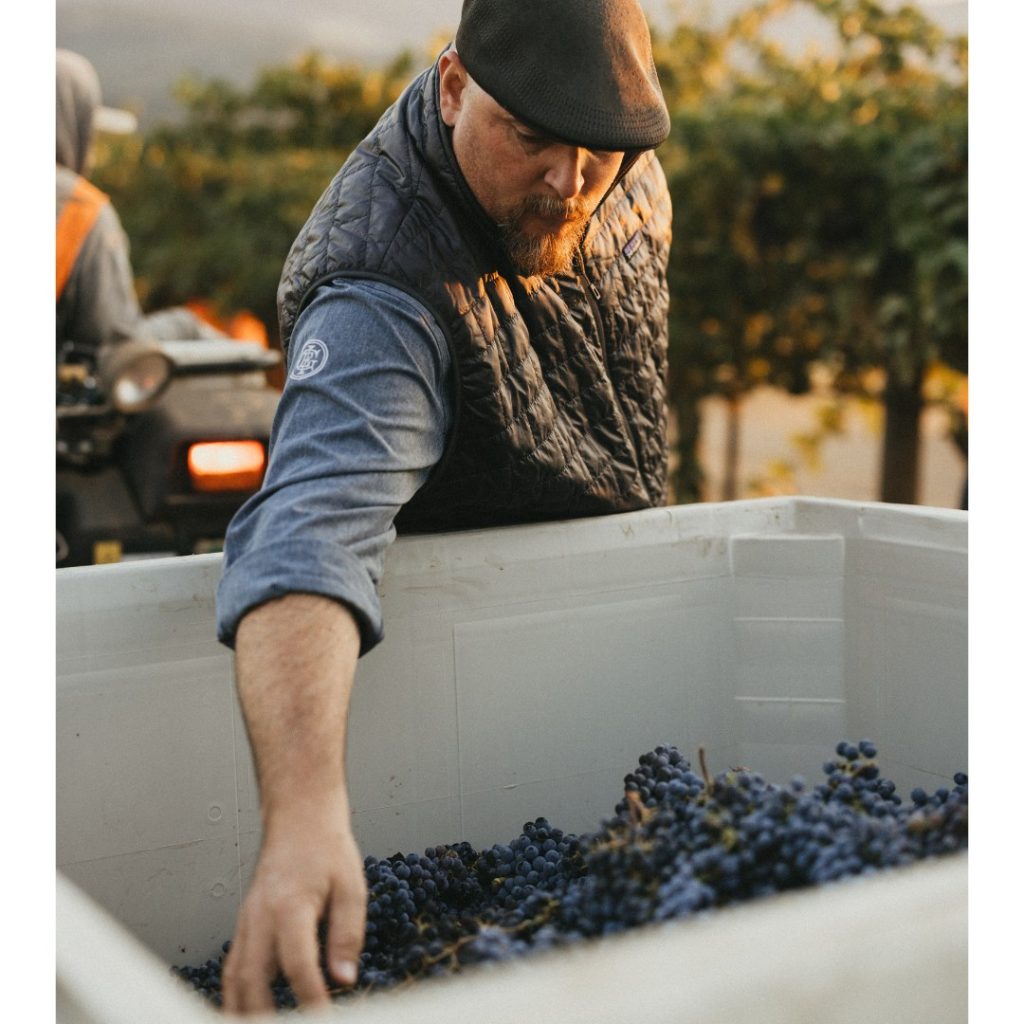
Do you remember the first time you fell in love with wine?
Winemaker Matt Taylor: The first time I fell in love with wine was when I lived in Andalucía, Spain in 1998-99. Wine was part of life everywhere. Tapas and Fino/Manzanilla or a chilled Tempranillo served in a water glass were customary on a daily basis. It was just a part of life, accompanying the food and weather where they lived. It was a beautiful way of participating with the culture and I fell in love with wine deeply while living there.
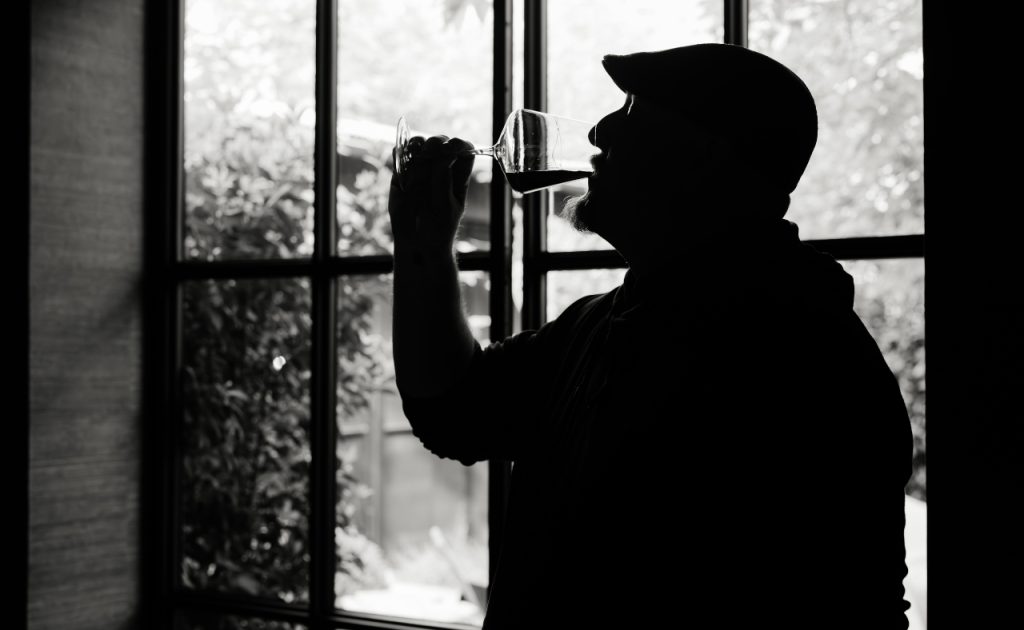
Describe your winemaking approach.
Winemaker Matt Taylor: As I stated above, participating with nature is paramount to how I view grapegrowing and winemaking. There are, of course, preferred methods which I use or tend to prefer over others, but to say there is a succinct philosophy is much too constraining. I adamantly believe that the best wines come from where the least amount of additives are needed, and more importantly that would equate to growing the best grapes where the least amount of additives were needed in the vineyard. Participating in both helps convey a message that is not 100% my doing, but rather a collaboration with what nature and I work out.
Do you have a favorite story about working at your winery?
Winemaker Matt Taylor: I love hearing from others about their favorite Ink Grade experience. I love the community that winemaking helps create.
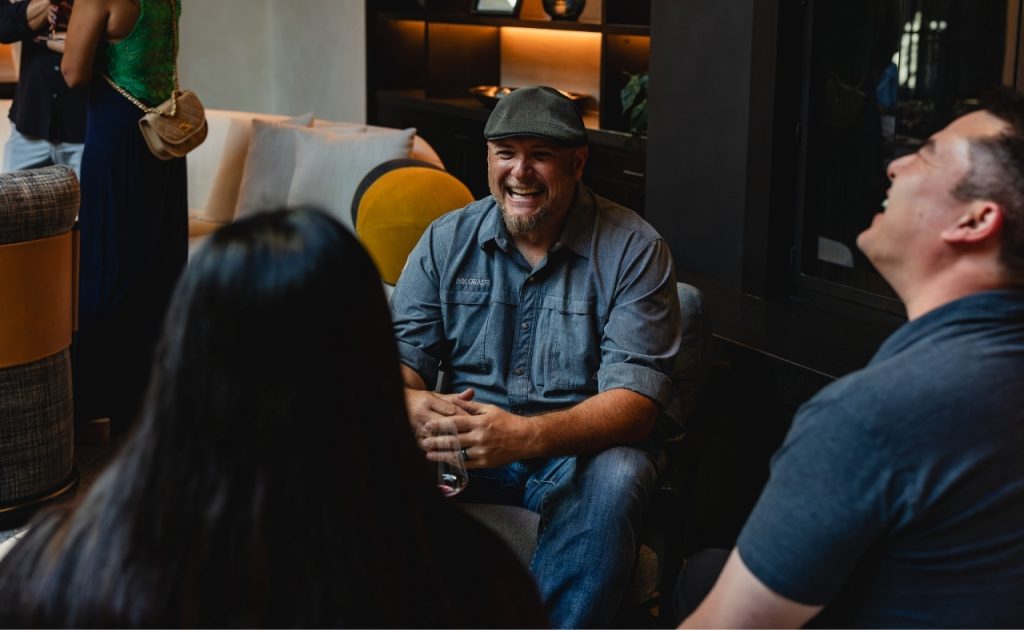
Do you have any winery traditions with your team?
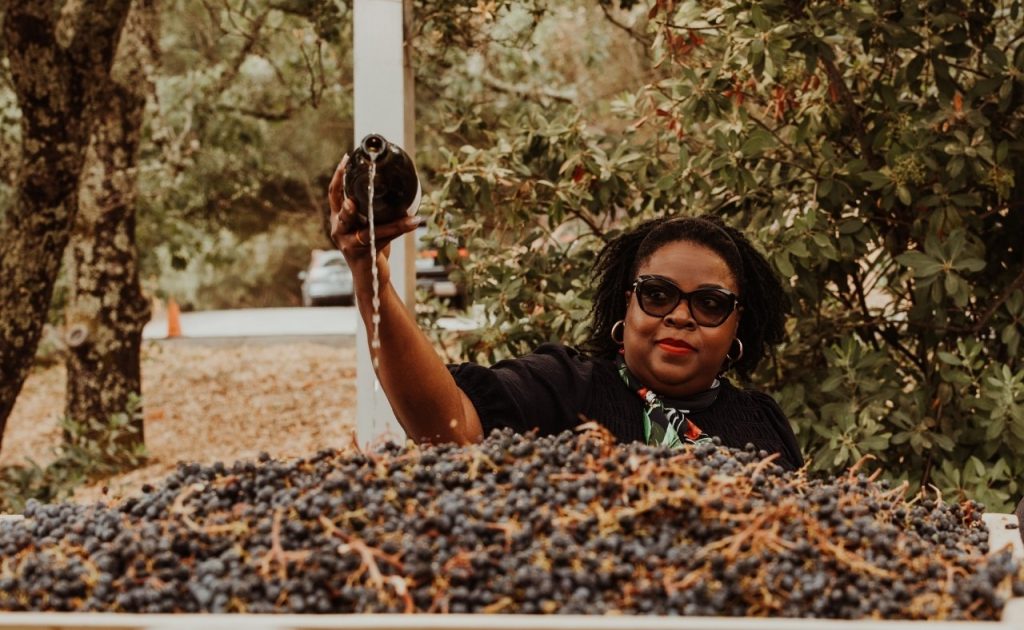
Winemaker Matt Taylor: The first tradition is opening and pouring sparkling wine on the first grapes of the vintage and then toasting with the team to the start of harvest. Second, I am a big fan of cooking meals throughout harvest. I will open 1-2 wines during the meals that convey some story and/or message that has influenced the wines they are helping me to make.
How does your team help you as a winemaker?
Winemaker Matt Taylor: This is not an easy answer because my team helps me with so much. There are the tangible items which occur daily, but it’s the mental and philosophical and creative help that a good team can aid one another with throughout the year. I depend on them for these things.