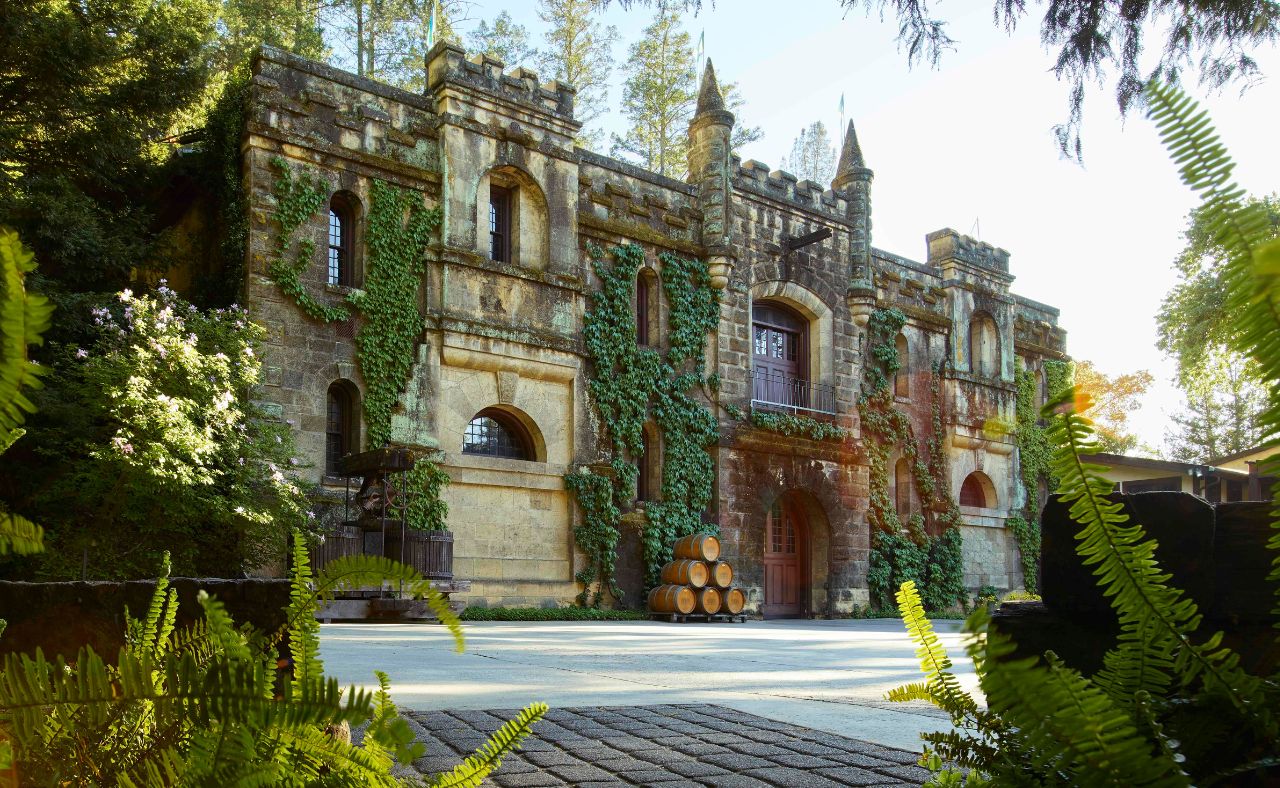
Interview with Chateau Montelena Winery Winemaker, Matt Crafton
Taste history in every sip.
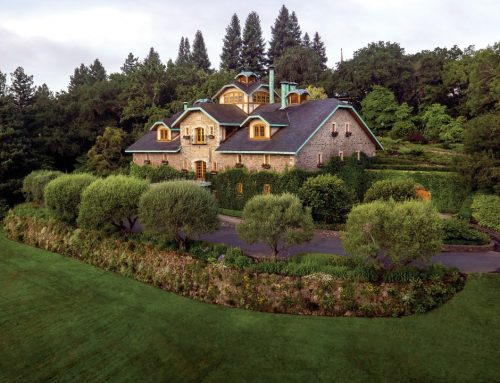
Chateau Montelena has a deep and storied history. The winery was originally founded in 1882 by A.L. Tubbs, a San Francisco entrepreneur. Tubbs planted the first vineyards and led the construction of the famous Chateau. By 1896, the winery was one of the largest in Napa Valley but eventually was forced to close due to Prohibition.

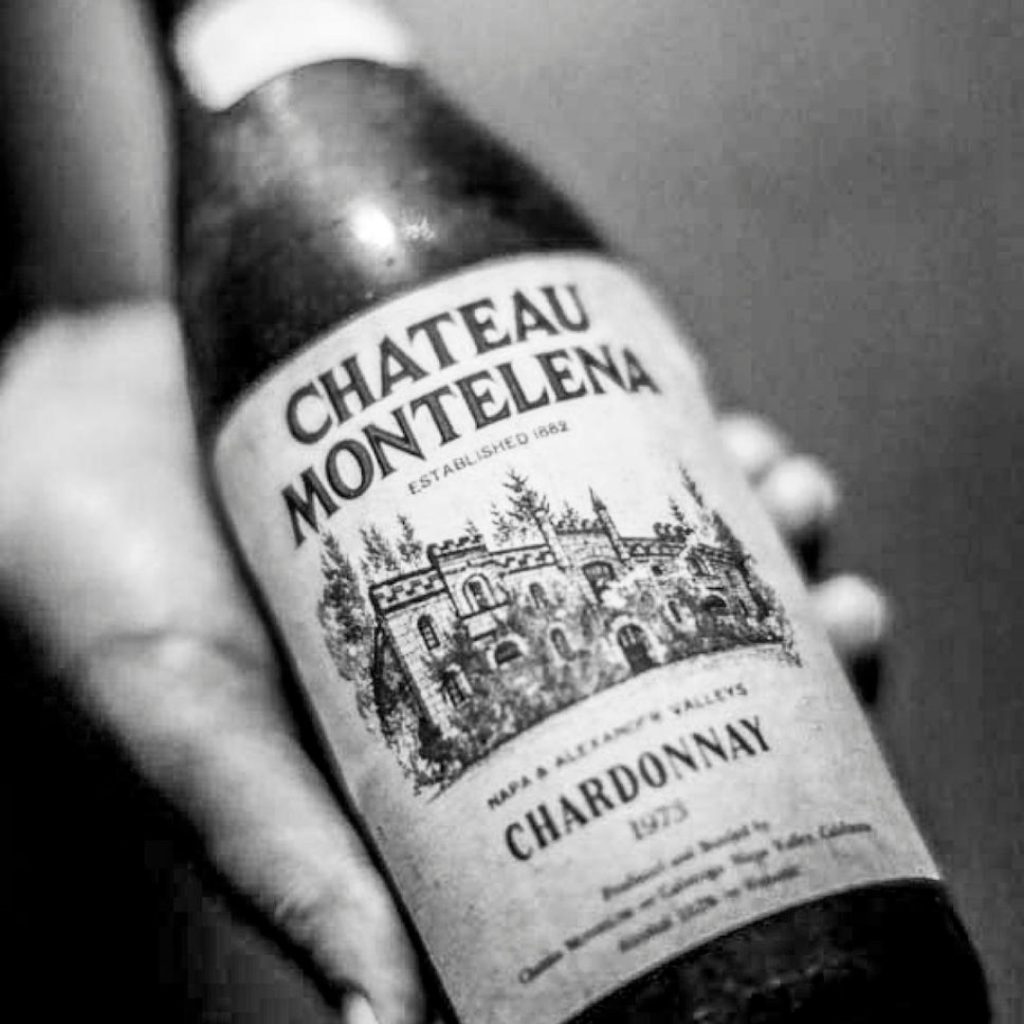
The revival of the winery began with the purchase and reunification of the estate by Jim Barrett in 1972. Jim recognized the potential in the exceptional property and moved forward with replanting the vineyard, investing in modern equipment and improving all farming and winemaking processes.
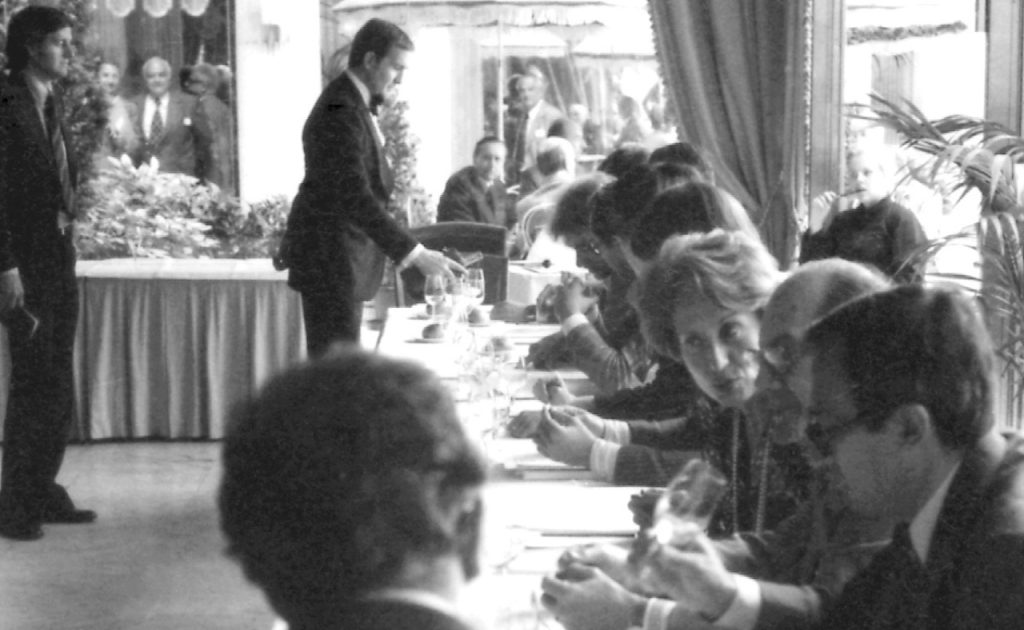
In a few short years, Chateau Montelena put California at the forefront of the wine world by winning the “Judgment of Paris” in 1976. At this pivotal event, Chateau Montelena’s 1973 Chardonnay was selected as the top-ranking wine in a blind tasting of 4 white Burgundies and 6 California Chardonnays.
Today, Chateau Montelena is honored on the National Register of Historic Places and stands as a quality icon, consistently producing some of finest and sought-after wines in California. We interview Chateau Montelena Winery Winemaker Matthew Crafton to learn more.
What type of wine do you specialize in?
Chateau Montelena Winery Winemaker Matthew Crafton: Montelena’s two flagship wines are our Estate Cabernet Sauvignon (our single vineyard designate) and our Chardonnay. However, in addition to those two, our full lineup of offerings includes our Napa Valley Cabernet Sauvignon, Calistoga Zinfandel, Potter Valley Riesling and Napa Valley Sauvignon Blanc.
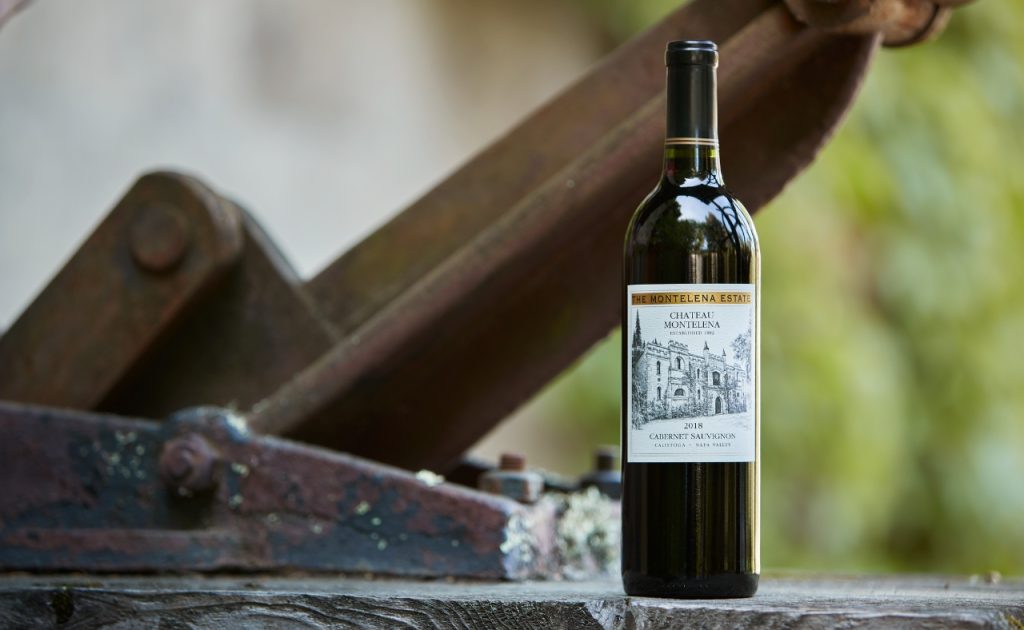
We’re well-known for producing neo-classical wines that continue to flourish with time and we have the track record to prove it. We offer a re-release program in wholesale where along with every current release of the Estate Cabernet Sauvignon, we re-release a small quantity of wine from the vintage exactly one decade prior.
The same concept applies for our Chardonnay, expect we re-release the vintage one-half decade prior alongside the current vintage. It’s a really fun program that’s been immensely popular, but its only made possible by our commitment to library a portion of our production each year. You don’t have to take our word that our wines age gracefully, you can guy them with perfect provenance from us.

Share a popular tasting experience.
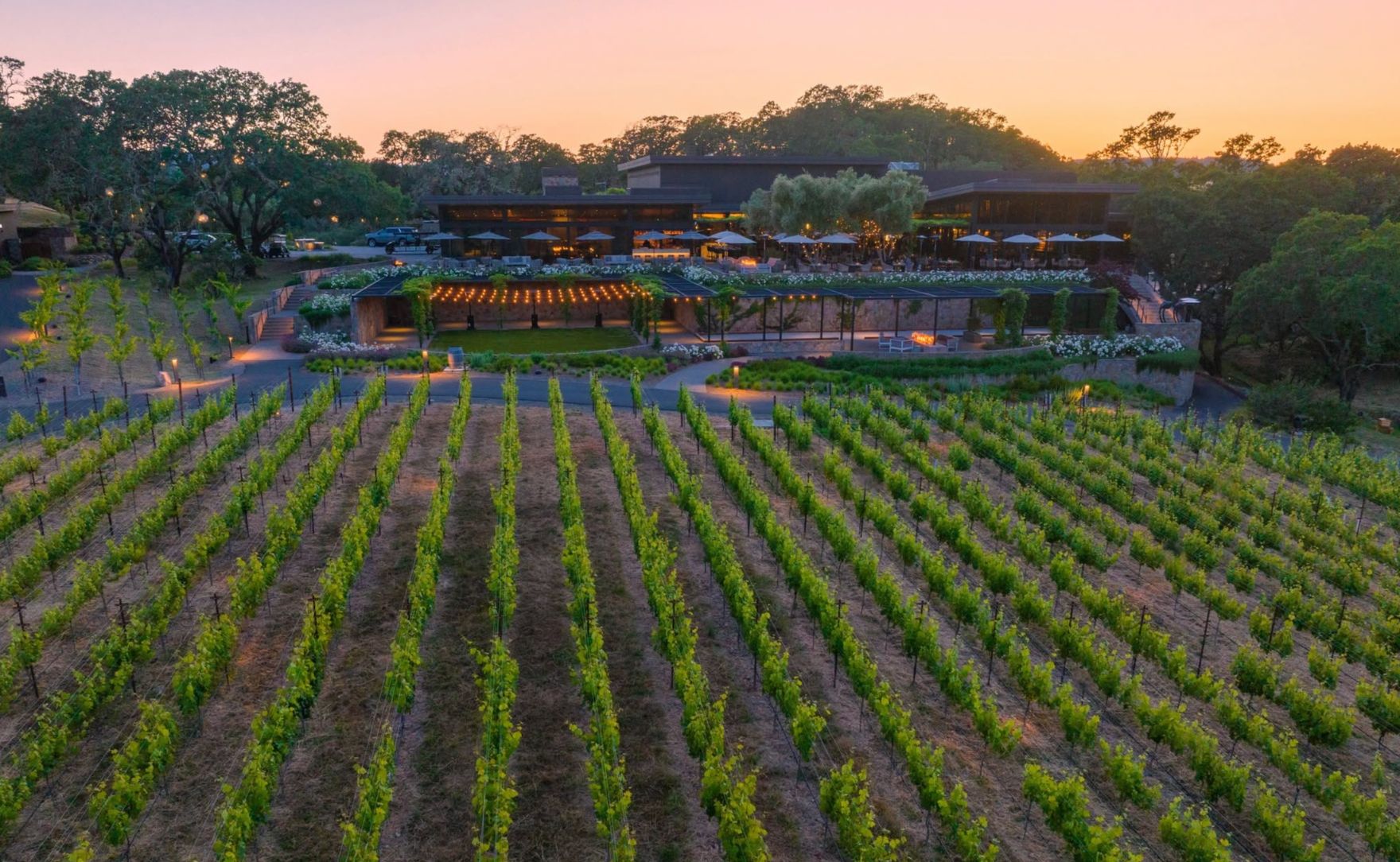
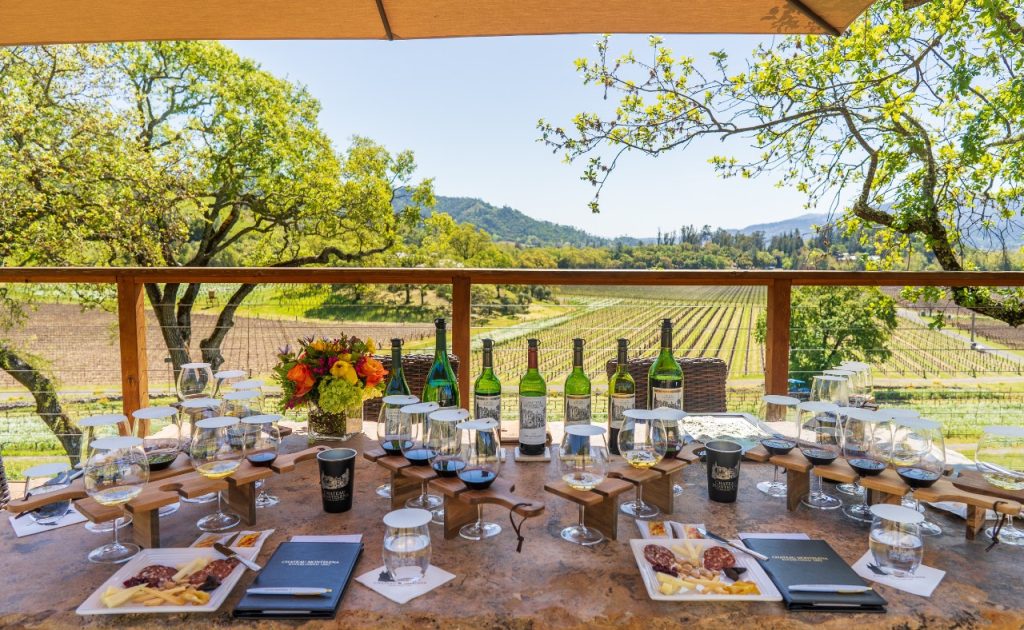
Winemaker Matt Crafton:The Montelena Hillside Terrace is a luxurious experience. Guests are treated to an in-depth tour of our Estate Vineyard, where they will get an up close view of all that goes into growing world class wines, before traveling up the hillside for a fully-curated wine tasting and lunch. There they’ll enjoy expansive views and serenity while experiencing the sense of place and ageability that have defined Montelena wines for the last 50 years.
What makes your wine unique?
Winemaker Matt Crafton: The one thing I love about our approach to winemaking is that we do not attempt to replicate a specific flavor or profile in our wines. Our wines never follow a formula or recipe. The beauty in classically styled wines is that each vintage is unique depending on what’s going on in the vineyard.
Factors such as weather patterns, rainfall, vine age, and soil play a role in shaping the wine, and we let these natural elements shine through. Our goal is to capture the essence of each growing season, with the character of our vineyard as the common thread connecting our different vintages.


What’s one thing you wish more people knew about your winery?
Winemaker Matt Crafton: One thing I wish more people knew is that we’re still family-owned and have stayed true to the core values that brought us initial success.

An often-overlooked component of that is we have intentionally remained small. We’ve had every opportunity to grow in size as our cohort has, but we would have had to make compromises on our wines. That’s a non-starter. We’re obsessed with innovation, resilience, and flexibility, which galvanize our exploration of new ways to express our wines.
How did you get started in the wine industry?
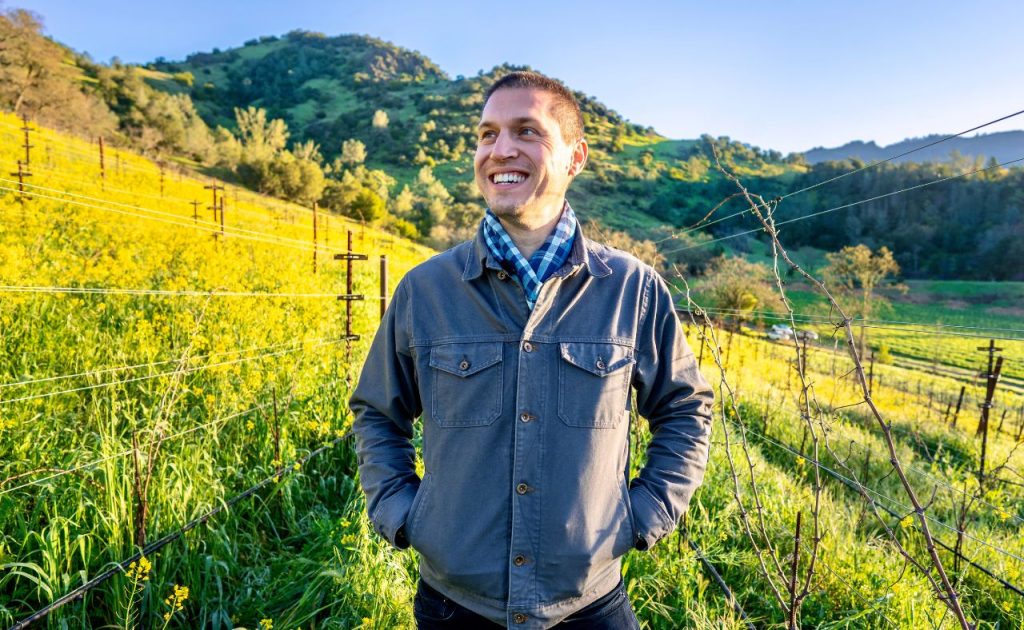
Winemaker Matt Crafton: It’s easier now to look back and craft a cohesive narrative; but it didn’t seem that way at the time. The short version is that my time in college, at the University of Virginia, was stimulating intellectually, but completely deficient in cultivating any of the right brain creativity I treasured growing up.
I didn’t know what I was missing but I was having a difficult time getting excited about a career in investment banking in New York or in public policy in Washington, DC. I decided to write down all of the aspects or pursuits in my life that excited me and there was an area of overlap between intellectual curiosity and creatively making or building things. I naively thought about how making wine combined my interests into a career. By luck, it turns out I was mostly correct and I’ve been making wine for the better part of the last 20 years.
I learned from my time working on Capitol Hill in college to seek out mentors who were intensely effective at their jobs. They were rarely the big names or the overt “stars of the show.” Rather, they were the ones who came up with the good ideas and then implemented them. Those were the people I’ve always sought out to learn from. I’ve found success looking past the veneer and building relationships with the people who focus on investing in the work.
What’s the biggest lesson you’ve learned in the winemaking process?
Winemaker Matt Crafton: I’m going to give you three because they’re interrelated: humility, curiosity, and dedication. First, ego is the enemy of any personal or professional growth. Second, curiosity is the gateway to improvement. Third, there are no shortcuts and no special sauce. Getting better requires better work, which demands relentless dedication.

Do you remember the first time you fell in love with wine? Tell us about it.
Winemaker Matt Crafton: I do. Growing up, my immediate family didn’t really have any sort of wine tradition and so it wasn’t until I began working in the cellar that I first got exposed to fine wine. And, by fine wine, I mean wines of place. I had been a cellar rat for less than a month when the winemaker I was working for opened a bottle of 1974 Heitz Martha’s Vineyard one evening.
The nearly thirty-year-old wine (at the time) blew my mind. It took me a while to wrap my head around a wine that was concurrently so old yet so fresh, so focused but still evolving in my glass, and so utterly delicious. I couldn’t put it down. Clearly, it left quite an impression and immediately reoriented my goals above the admittedly prosaic wines we were asked to make.
Describe your winemaking approach.
Winemaker Matthew Crafton: I probably lean more toward design principles than anything else. To paraphrase Dieter Rams – less but better. I believe in single creative expression – we don’t blend by committee or seek out consumer preferences or opinions.

Ultimately, the wines are my point of view and I do believe that there are good/bad wines just as there is good/bad design. That doesn’t mean that people shouldn’t drink what they like. But to improve at anything, one first has to admit there is some objectivity in life.
Good wine, art, design, and taste all share certain aspects in common. But in each case, they’re a specific point of view, which is honest but has the ability to be polarizing. That said, my goal is to create wines that are beautiful and timeless; not to be deliberately different, although they usually end up being outside of the mainstream or what’s trendy. That definitely requires confidence, derived from knowing we accomplished what we set out to do.

What do you love about winemaking?
Winemaker Matt Crafton: Internally, I love the creative challenge of winemaking. I love that we get regular reps (vintages) – so we can experiment – but we don’t get very many, so we have to be considerate. I love the paradox of creating something temporal in that there will never be another 2023 vintage, ever; but that the wines themselves have a permanence, tranquilly waiting their turn in cellars around the world.
Externally, I love creating something that brings joy and happiness. Personally, I’m the furthest thing from a “people pleaser”, but I do believe that if you’re going to do or create something, do it to make someone’s life better.

It sounds trite but it does make me happy to hear how our wines have played (small) parts in the milestones of many people’s lives. I’ve come to appreciate the external factors more with time, but I still get immense internal satisfaction in creating something I find to be stunning and delicious.

How does your team help you as a winemaker?
Winemaker Matt Crafton: I have a small, tight-knit, incredible team I work with. No one is here by accident and I’m very grateful to have every individual in my life. And it’s not easy for them. I have incredibly high standards for myself and those around me.
But my hope is that the work is fulfilling and most have been with me for the better part of a decade or more. From my assistant winemaker, cellar crew to my harvest team, they believe in and embody the goals and character traits we strive for. And I think it’s reflected in the quality of the wines we release each year. At one point, I had to learn that I couldn’t do everything myself. As a result, I refocused additional energy into my people. I’m so glad I did. One of the unexpected joys in my career (and in life) is helping the members of my team grow. And they all grow in different ways. But I really enjoy witnessing it and being a small part of it when I can.