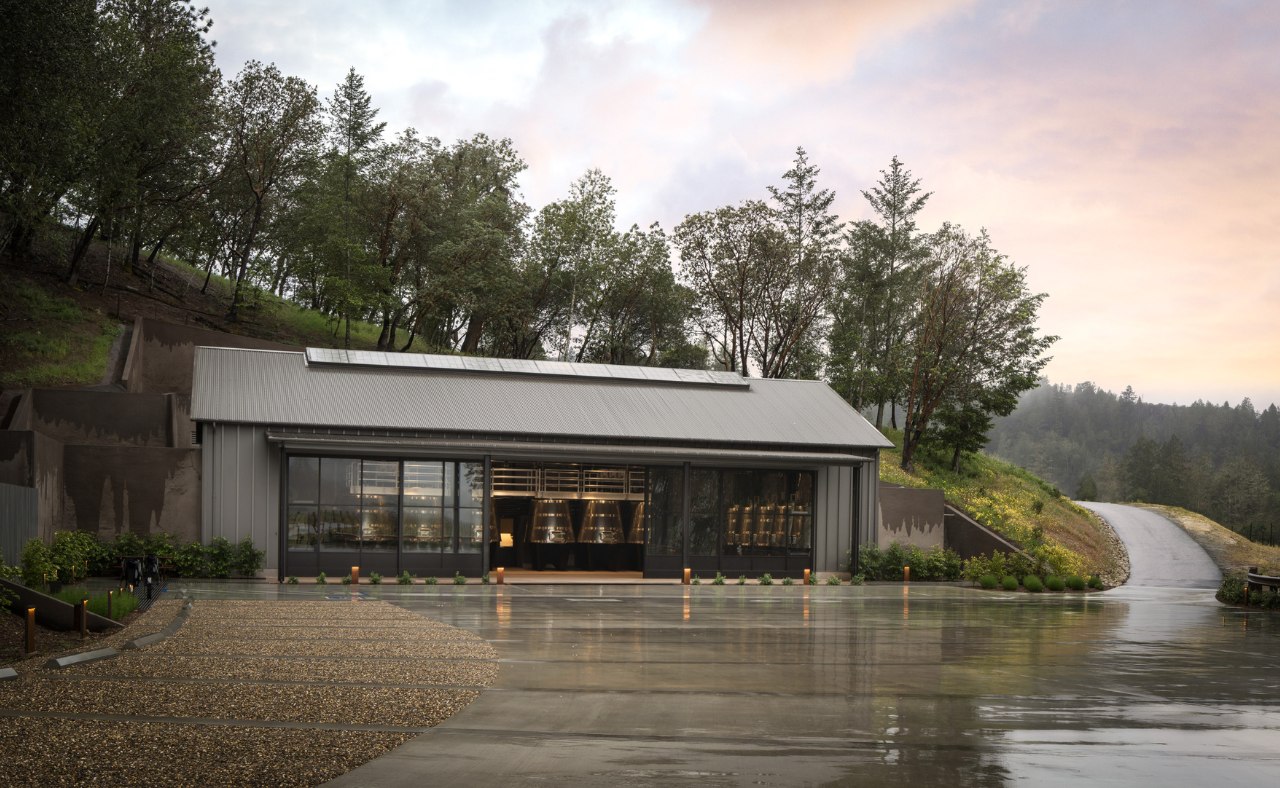
Knights Bridge Winery
Sustainable farming methods and small lot wine production.
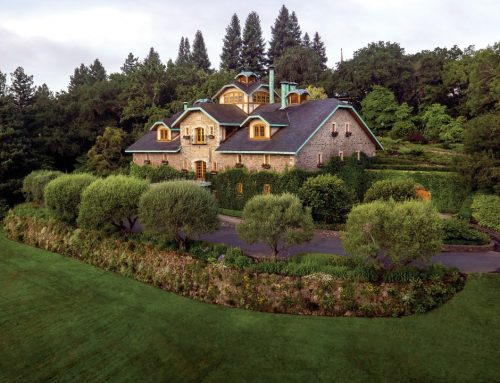
If you’ve journeyed along Highway 128 from Sonoma County to Napa Valley, you’ve undoubtedly marveled at the rural landscape of Knights Valley, with its vineyards dotting the countryside. Knights Bridge Winery lies on the southeastern edge of the Sonoma-Napa border, just north of Calistoga. Sitting at the foot of Mount St. Helena, this valley is cherished for its unspoiled beauty and its vineyards, predominantly Cabernet Sauvignon, Chardonnay, and Sauvignon Blanc.

These very varieties are the stars of the highly acclaimed wines of Knights Bridge Winery—the first winery to open in Knights Valley in 40 years. This serene region is home to only two wineries, Knights Bridge and Peter Michael, making a visit to the winery an extraordinary experience.
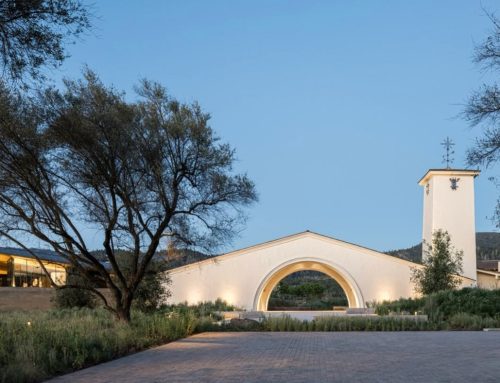
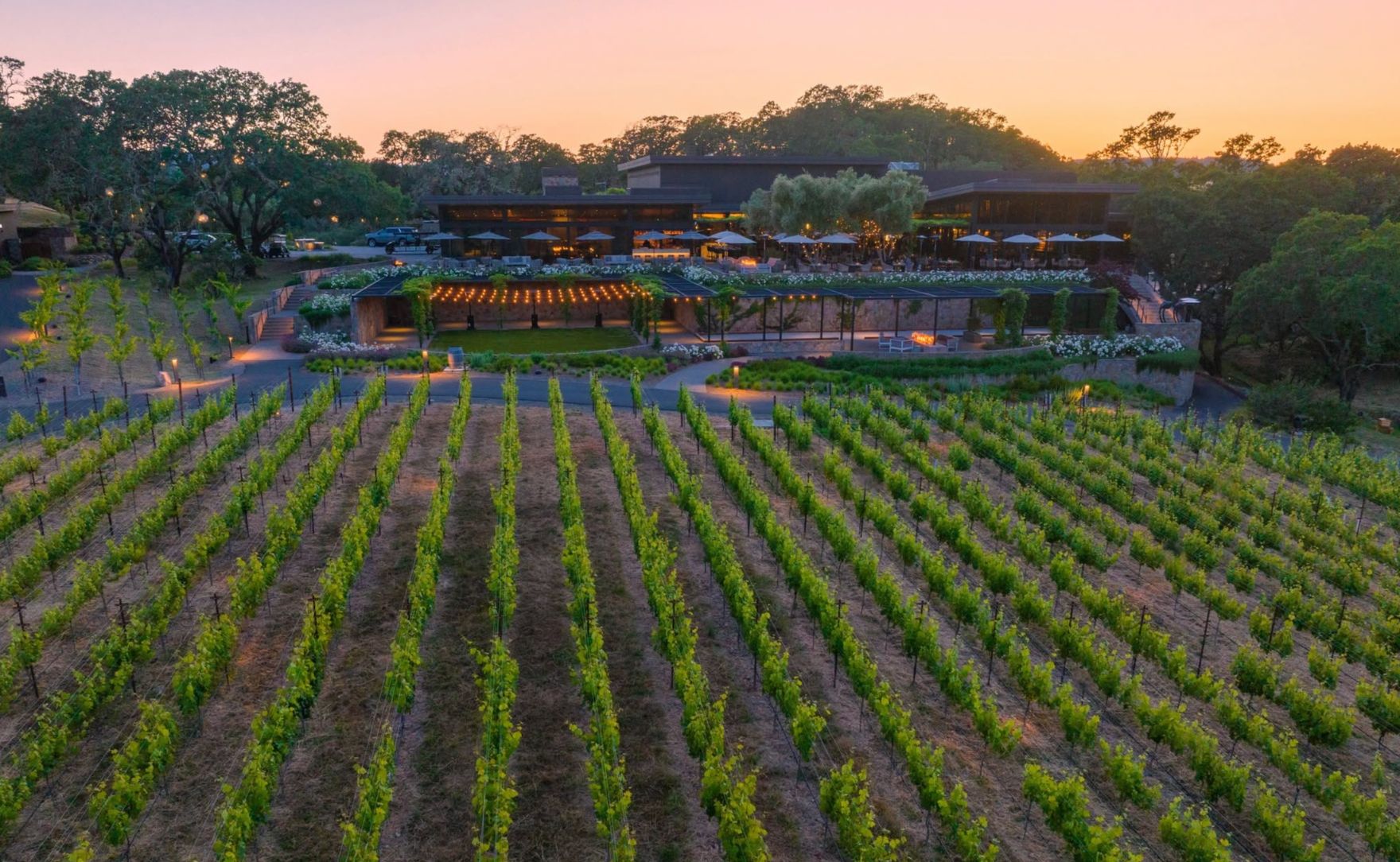
Visitors step into the family-owned and meticulously designed Knights Bridge winery, a model of modern architecture with an underground winery and wine caves. Right at the start, the state-of-the-art production facility’s front windows showcase a jaw-dropping view of Mount St. Helena.
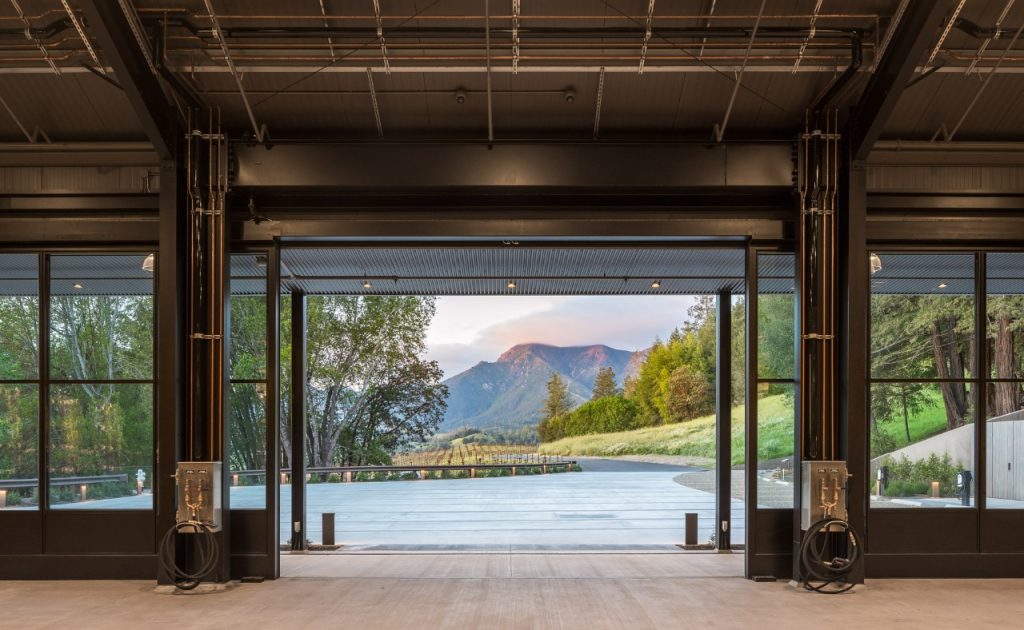
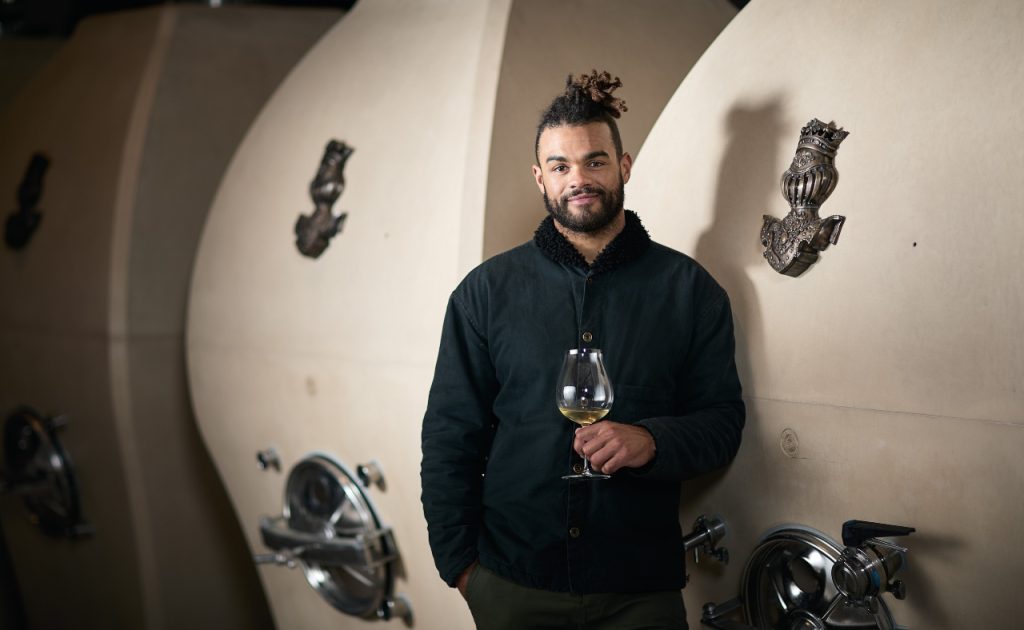
As visitors explore the futuristic building, they follow the grapes’ path. They pass the concrete fermentation tanks adorned with unique bronze knight heads, the winery’s emblem made by local artisans.
The journey continues to the barrel room and a round “light well” tasting salon that houses the complete collection of Knights Bridge wines. Beyond the tasting room, a stunning tunnel of vines leads guests to a lookout point, offering a breathtaking panoramic view of the vineyards.
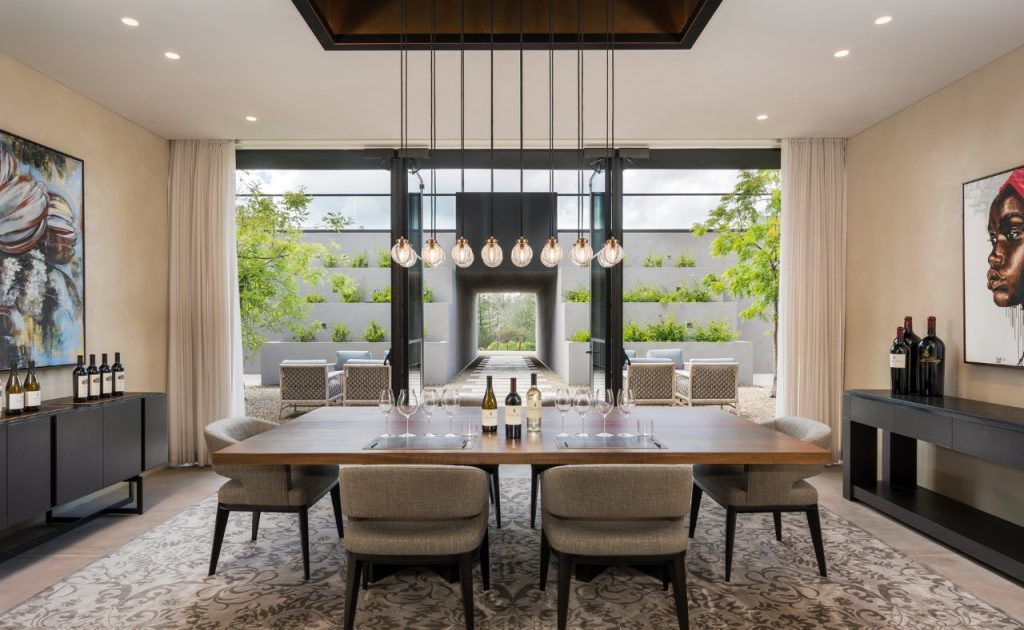
Guests enjoy a 1.5—to 2-hour private tasting and immersive winery experience ($150) by appointment only. The experience includes a guided tour of the estate vineyard, winemaking facility, and caves designed by renowned architect Howard Backen. The tour is followed by a seated tasting of exquisite Knights Bridge estate wines, each carefully paired with a selection of delectable small bites, such as artisanal cheeses and locally sourced charcuterie.

Brothers Jim and Essel Bailey and family friend Tom Costin started Knights Bridge in 2006, acquiring 100 acres with 49.62 acres planted to vines. After years of cultivating the vineyards and producing wine from a facility in Napa, the current winery was added in 2021.
Knights Bridge Winery is committed to sustainability, limiting its daily visitors to 13 and maintaining the same water usage as before the winery addition. This dedication to conservation led to the winery’s sustainability certification in 2011 and organic certification in 2024

Vice President Laura Kirk Lee explained how it was possible. “We use reclaimed water for landscaping, and the winery now uses less water than a four-person family home. But moving some blocks to dry farming had the most significant impact [on water usage]. A large block of Chardonnay is now entirely dry-farmed.”

The reshaped and dry-farmed 40-year-old Chardonnay vineyard uses a rarely seen trellising system that pulls vines up and over the fruit and attaches them to notches in the top of stakes. This configuration gives an internal balloon that helps with airflow while protecting the irrigation-free fruit from sunburn, resulting in stunning topiary-resembling plants.

“Once we moved to this tulip-shaped, head-pruned plant, yields reduced, but the quality we’re getting out of this block is spectacular.”
Derek Baljeu joined Knights Bridge Winery five years ago as an Assistant Winemaker. He became the Winemaker in August 2021, bringing his years of experience to create Knights Bridge’s elegant, small-lot wines.

The Knights Valley appellation is known for evoking a sense of California’s original wine country—peaceful, untouched, and agricultural. The pastoral surroundings blend well with the winery’s passionate commitment to producing award-winning wines each year.
As the latest winery to open in the almost winery-free valley, Knights Bridge maintains a light footprint but adds a modern edge with its