Roederer Estate in Anderson Valley, Mendocino County
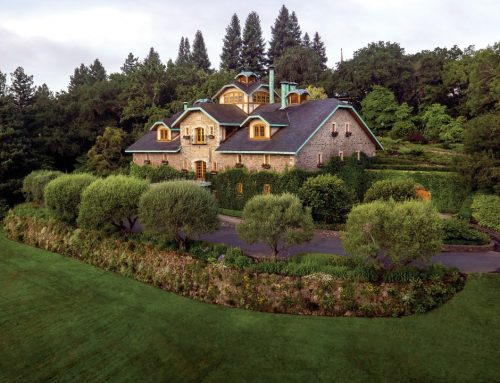
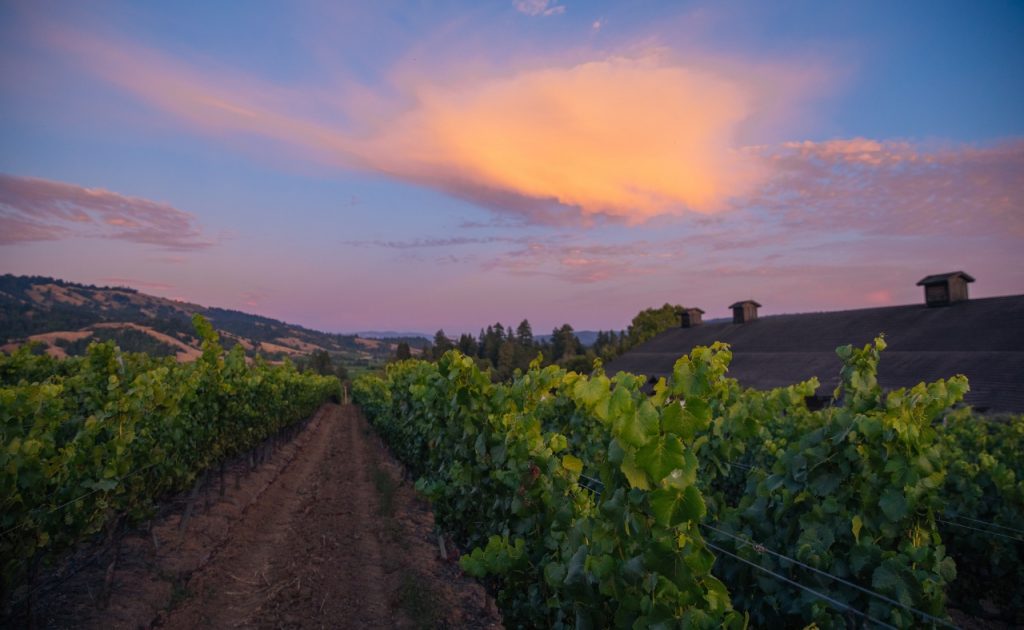
Since 1982, Roederer Estate has been dedicated to crafting exceptional sparkling wines in California’s Anderson Valley.
Founded by Jean-Claude Rouzaud of Champagne Louis Roederer, Roederer Estate was built on the belief that estate-grown fruit and meticulous winemaking are key to quality. Combining centuries-old traditions with the unique terroir of Mendocino County, Roederer Estate continues to produce méthode traditionnelle wines that honor both its French heritage and its California home. To learn more, we interview Arnaud Weyrich, French Winemaker for Roederer Estate.

What type of wine do you specialize in?
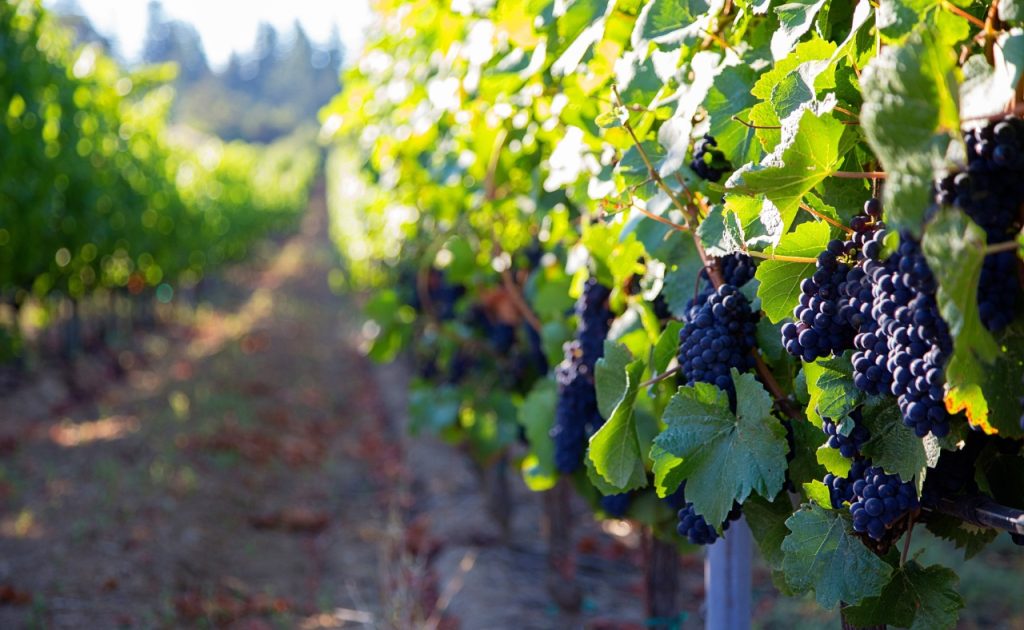
Roederer Estate specializes in producing sparkling wines from estate-grown Chardonnay and Pinot Noir grapes in California’s Anderson Valley.
Share a popular tasting experience.
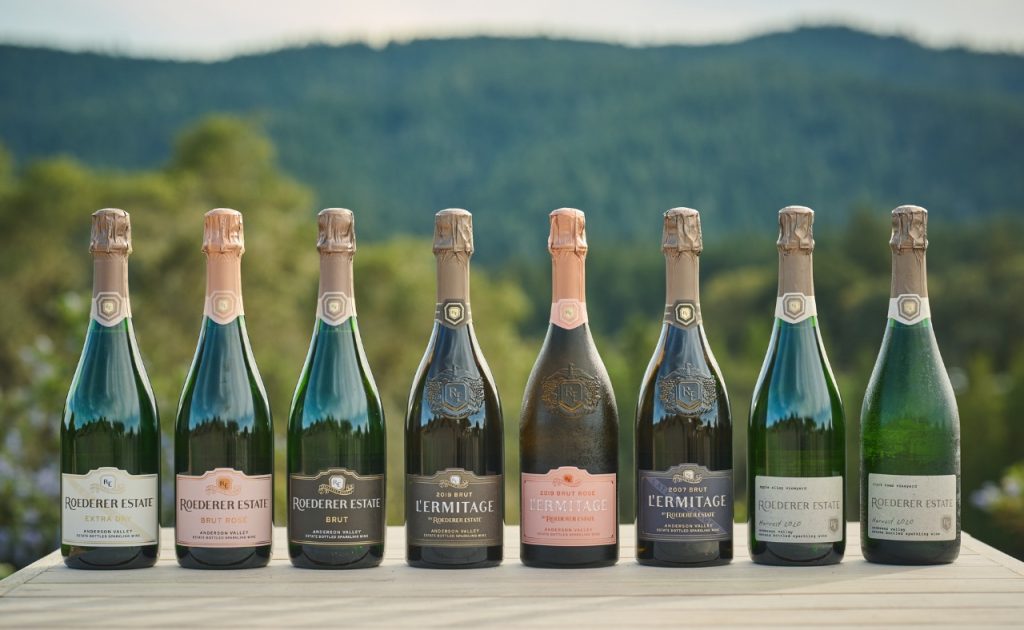
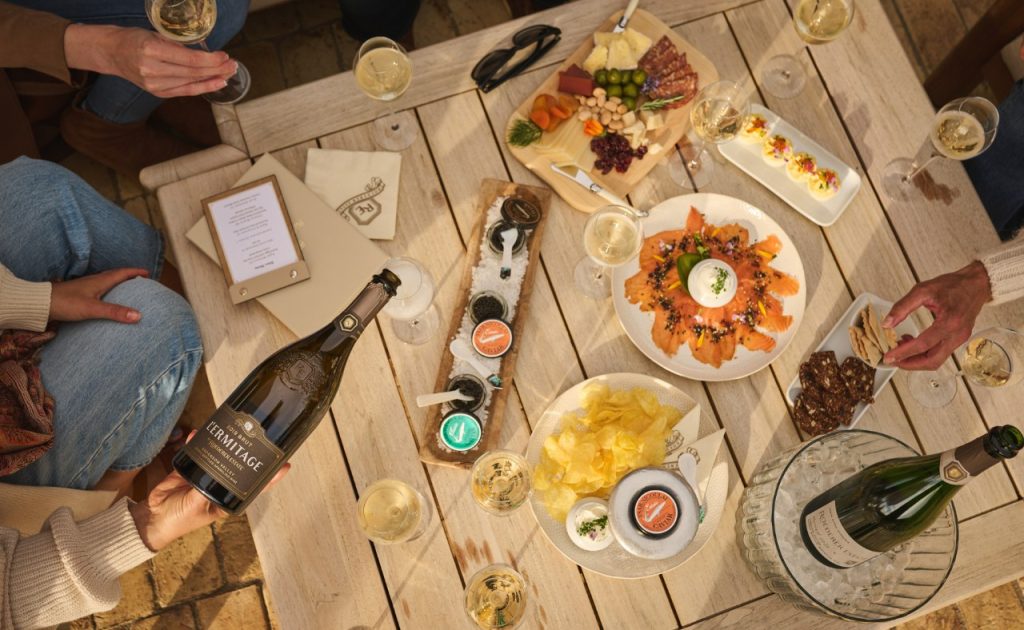
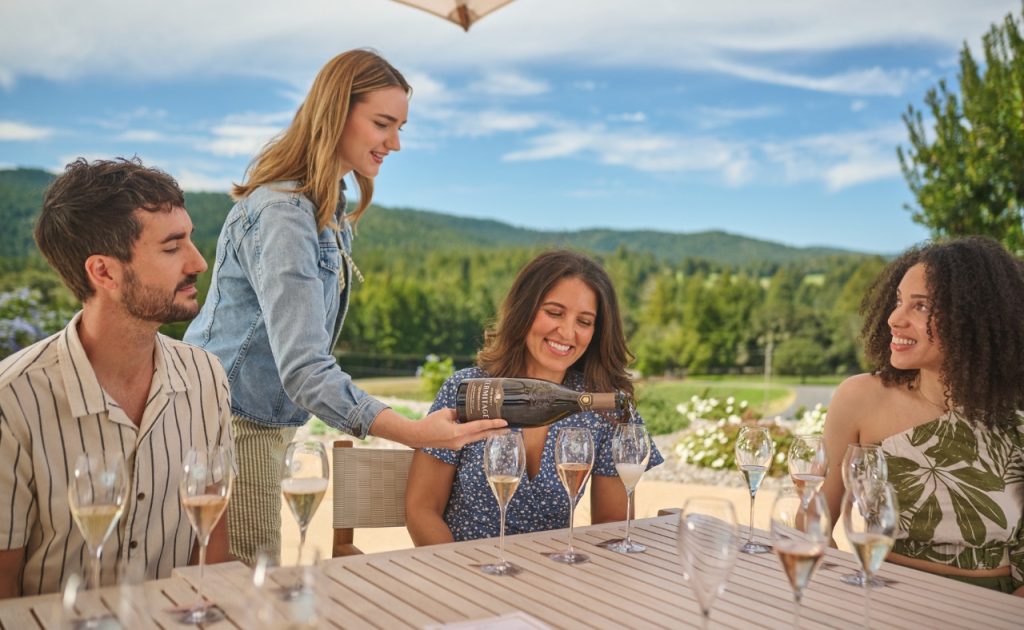
All of our tasting options are outstanding. You can have a flight of our tête de cuvée, L’Ermitage, and a selection of delicious items to pair alongside, from duck rillettes to smoked salmon to a cheeseboard. Or you can indulge in a tasting of Tsar Nicoulai Caviar. We offer tours daily, as well, for an insider’s look at what we do.
What makes your sparkling wine unique?
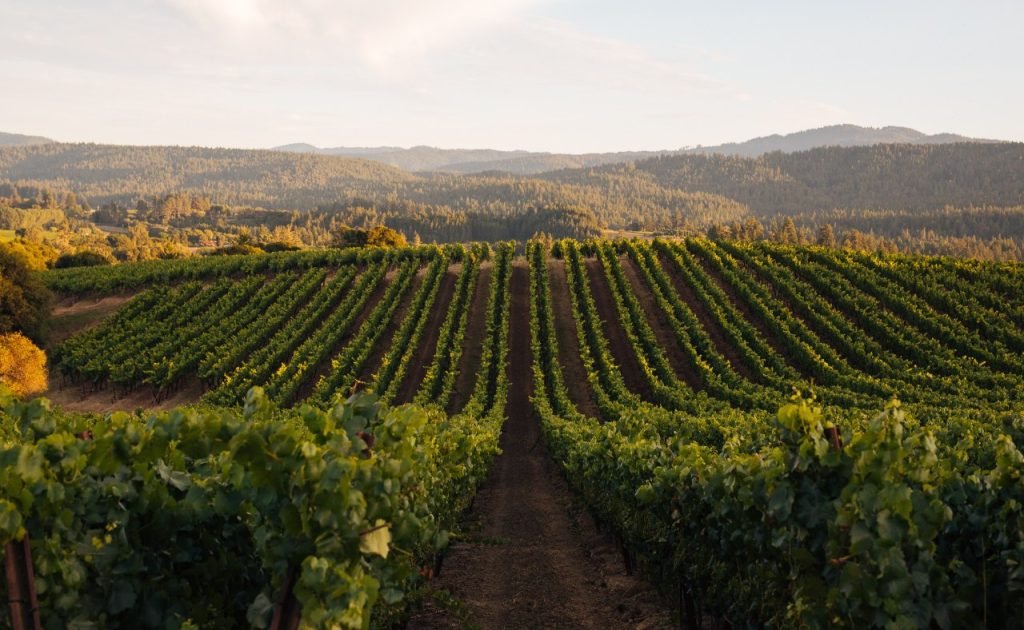
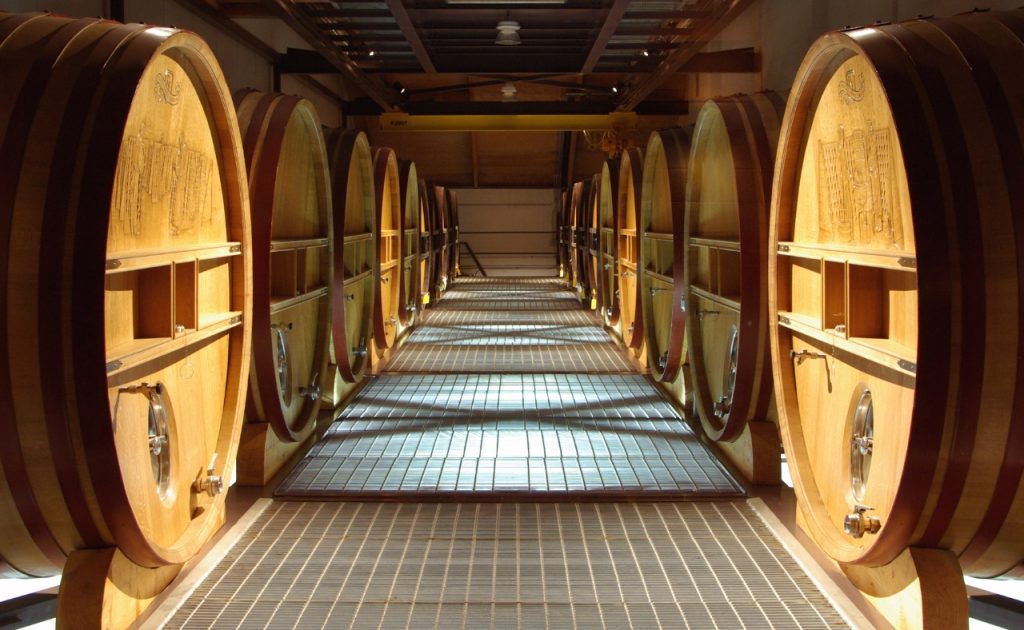
Roederer Estate continues to uphold its founding vision—producing exceptional sparkling wines from estate-grown fruit, staying true to the land, and refining the artistry of méthode traditionnelle winemaking. Every bottle of Roederer Estate sparkling wine begins with grapes grown exclusively on our estate. Each year, I select a portion of the finest wines for aging in large French oak casks (1,400 to 1,900 gallons each). After an average of four years in our reserve cellar, these wines are blended to create a multi-vintage cuvée in the Roederer tradition.

What’s one thing you wish more people knew about your winery?
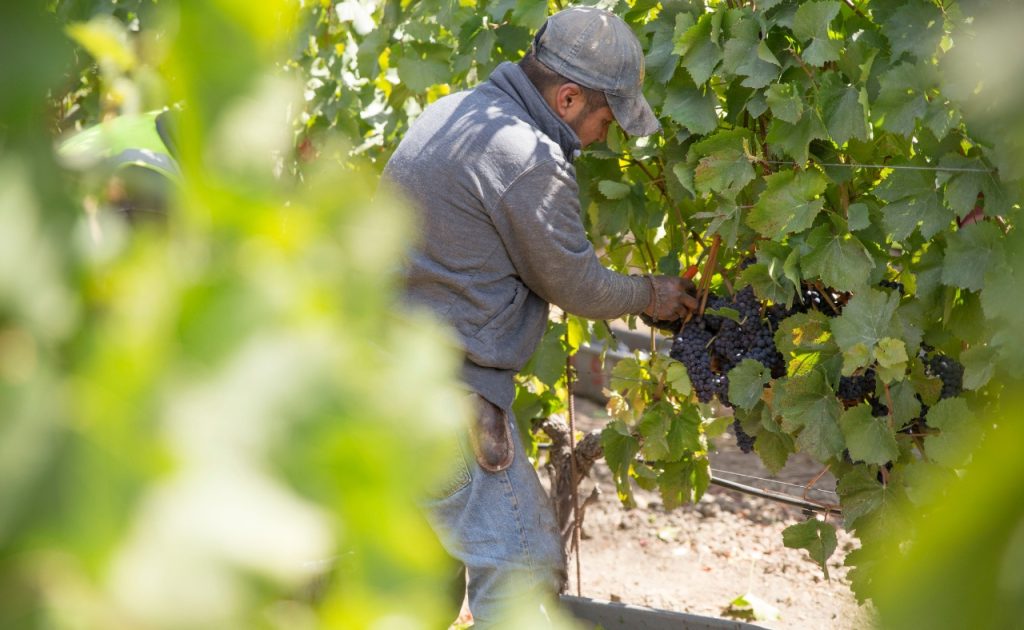
We care. We care about our farming and vineyards, our workers, the wine we produce. We are careful, thoughtful, and this arises from the company’s family mentality. It’s a family business. A prime example is Roederer Estate’s concern about housing for our workers, which is why the winery made it a priority to construct affordable housing on its own land. Overall, the winery houses about 85% of its vineyard and cellar workforce on the estate.
Share highlights about your redesigned tasting room.
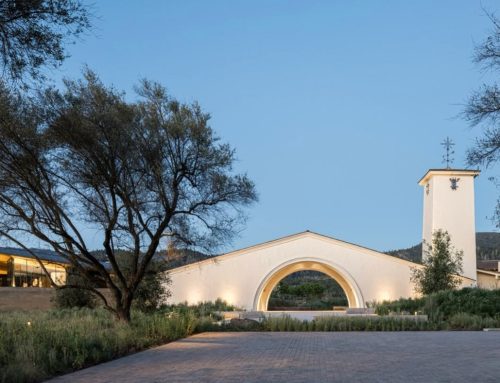
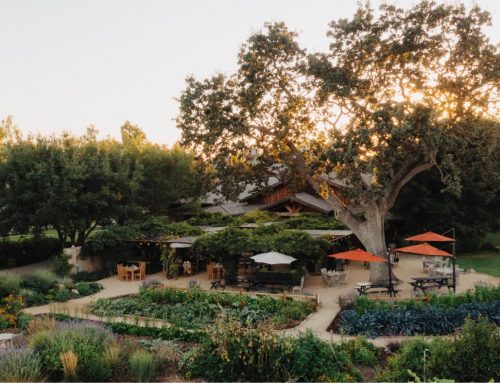
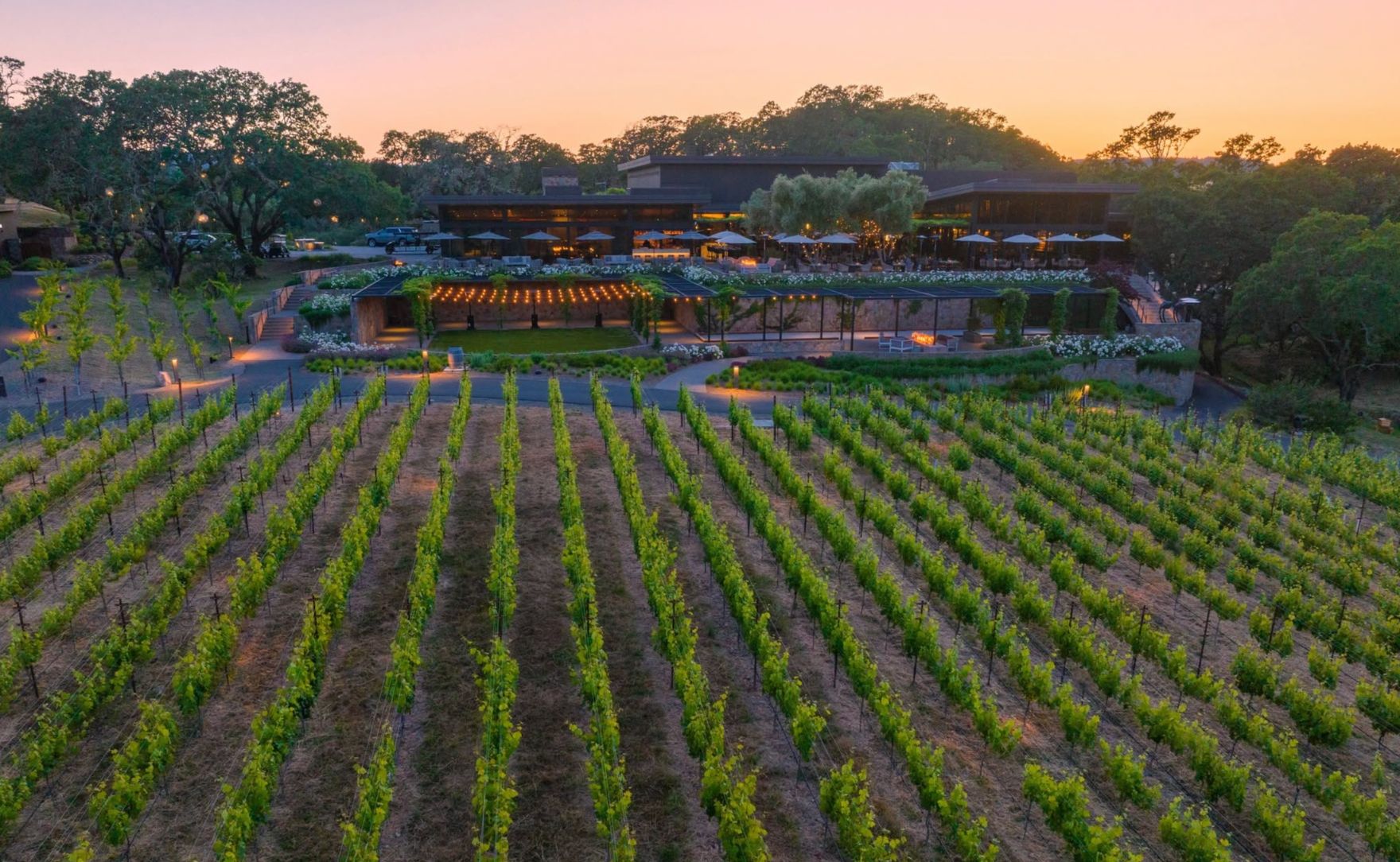
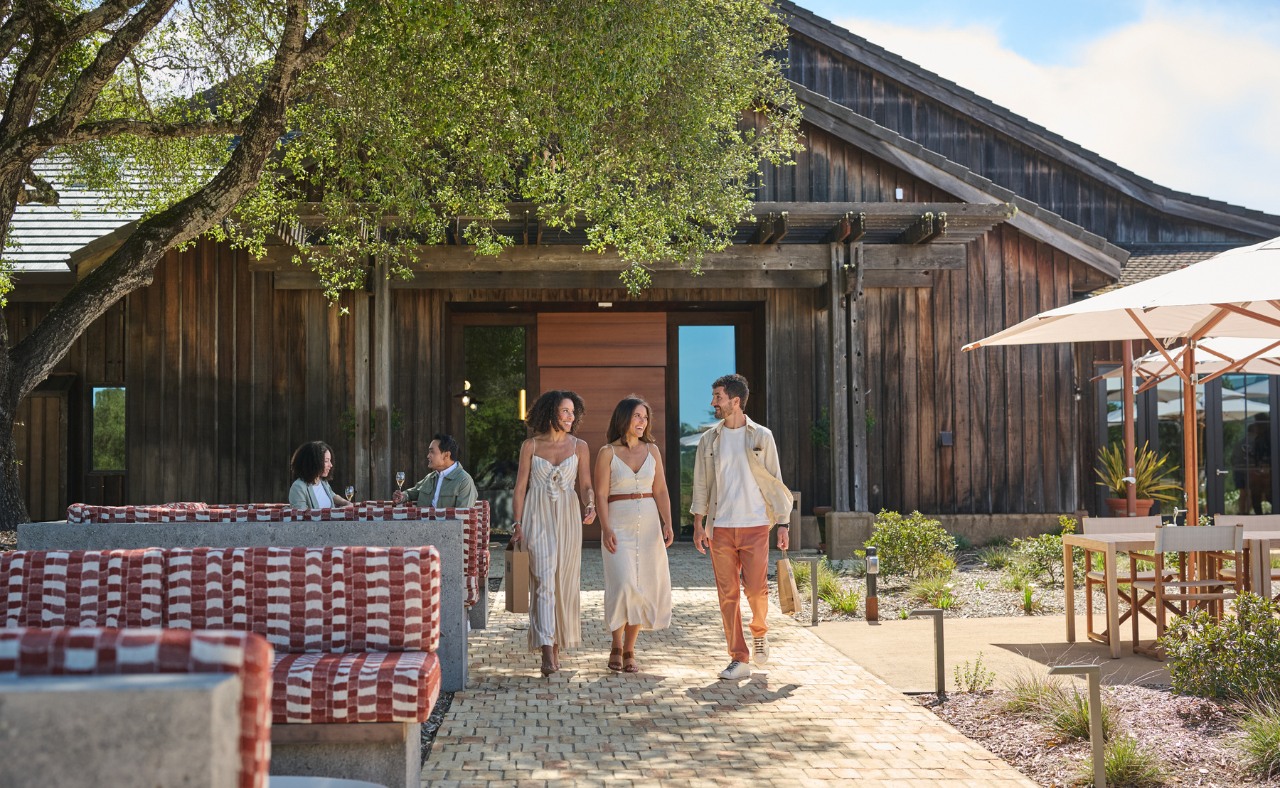
The redesigned project, known as the Roederer Estate Hospitality Center, was a project to revitalize and modernize the space while honoring the winery’s heritage and surroundings. The Roederer Estate Hospitality Center consists of a tasting room, outdoor patio, salon, and lounge, and was designed by Julia Rouzaud, a seventh-generation Louis Roederer family member.
The design is inspired by the concept of a “modern barn”, blending elements of American and Japanese modernist architecture. Natural materials like wood, terracotta, and stone were combined with custom-made furniture and vintage pieces to create a style that is both rooted in tradition and forward-thinking.
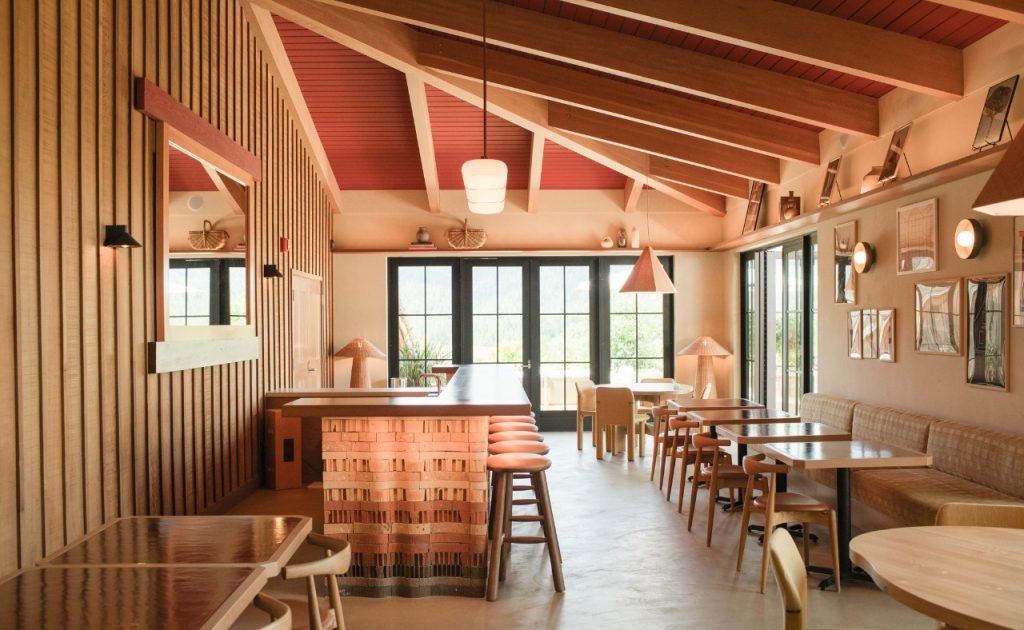
Steve von Raesfeld from vR|a Architects was the architect of record and led the redesign, and ROCHE+ROCHE Landscape Architecture did the exterior landscaping. Roederer Estate worked with Philo Saw Works as the main contractor, who sourced the local vendors. Additional materials were sourced internationally, including handcrafted terracotta tiles from Italy and quartzite from Brazil.
How did you get started in the wine industry?
Growing up, I knew I wanted to do a job that involved the outdoors. Farming, growing grapes, making wine seemed to cover that option. There were people who inspired me along the way, but I actually had two mentors. The first was Michel Salgues, who was my predecessor at Roederer Estate. He showed me the ropes and helped me learn how wineries operate in California and the specifics of making wine in the Anderson Valley. My other mentor is Jean-Baptiste Lecaillon, who is Cellar Master of Champagne Louis Roederer. He taught me about the “Roederer style” and about the family’s expectations of top quality.

What’s the biggest lesson you’ve learned in the winemaking process?
Patience is key, and you can’t control everything because Mother Nature has a way of creating new challenges for us to face.
Do you remember the first time you fell in love with wine?
There wasn’t one specific moment. There was lots of exposure to wine early on. There was always wine on my parents’ table, and they drank good wine. I do remember one wine very vividly. It was Champagne Philipponnat, Clos des Goisses. I was on a date with my wife, Floriane, at a very good restaurant, 2-star Michelin. Maybe it wasn’t the perfect bottle but it was the perfect person, the perfect time, the perfect place. The wine felt extraordinary.
Describe your winemaking approach.
From the vineyard to the cellar and in all aspects of my work, my goal is always to be organized and detail oriented. We never want anything to fall through the cracks. I also aim to use minimal intervention in my winemaking so I don’t overwhelm the wines and they can speak for themselves.

Do you have a favorite story about working at your winery?
I love to share the story about how I started working as an intern, and then left and came back years later to assume leadership of the winery. The people who had worked with me when I was an intern worried that I would cause problems for them if they had been tough on the lowly intern. Of course, nothing happened when I returned, but the moral of the story is to always be kind to your interns, since you never know who they will become!
What do you love about winemaking?
Blending the wines, putting the wines together. It’s an interesting mix of chemistry and art. You need to have the base of chemistry to give you direction, but the final decisions are not based on science, but on taste. It’s not something you can measure. It’s not based on numbers or what’s on paper. I am still amazed at how something comes together that’s not expected. I think that’s unique, very artistic. It’s discovery.

Do you have any winery traditions with your team?
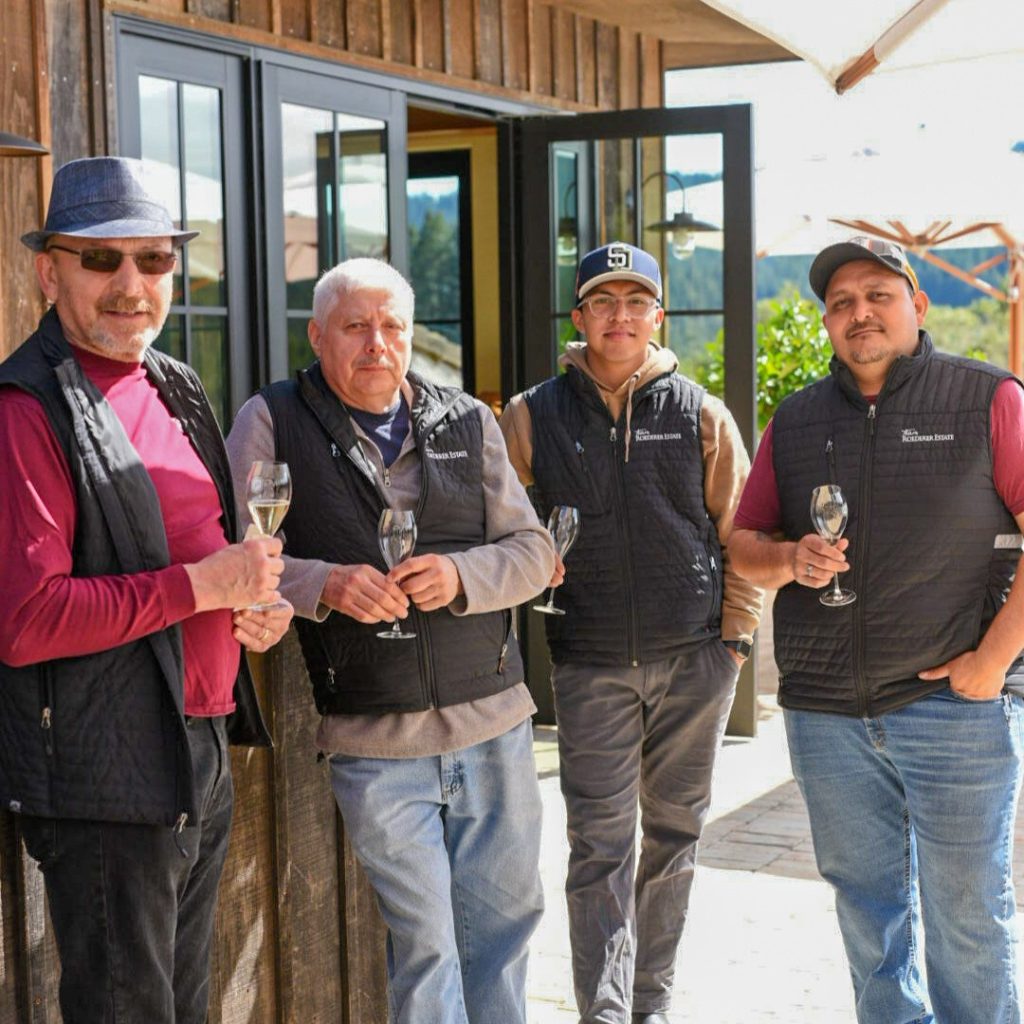
After harvest, the vineyard and winery teams all get together to celebrate the end of harvest and enjoy carnitas cooked by one of our longtime team members.
How does your team help you as a winemaker?
They are the people “doing” for me daily in the cellar everything I have shown them over the years. I work in the cellar during harvest and enjoy that time being on the cellar floor and working right alongside them.