The art of Blending Tradition and Innovation at Charles Krug Winery in St. Helena, Napa Valley
Family-owned and operated since 1861.
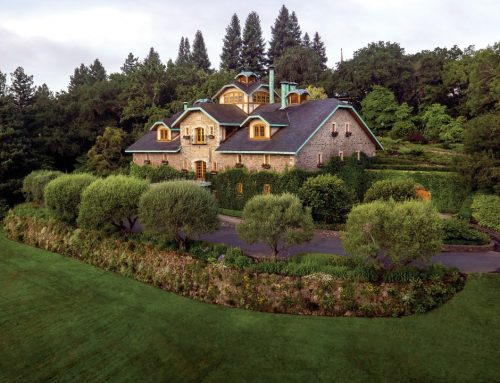
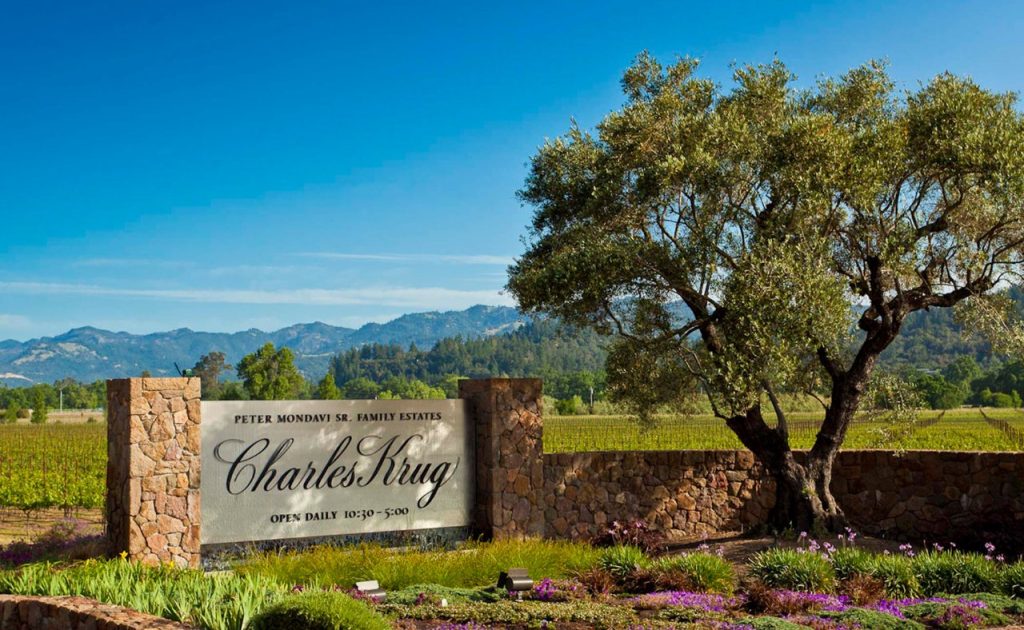
Stepping onto the grounds of Charles Krug, one is immediately transported back in time to 1882, when the estate first opened its doors for public tastings. Located in the quaint town of St. Helena in California’s renowned Napa Valley, this historic winery has been delighting wine lovers for over a century with its exceptional wines and stunning architecture. We interview Charles Krug’s Consulting Winemaker Angelina Mondavi to learn more.
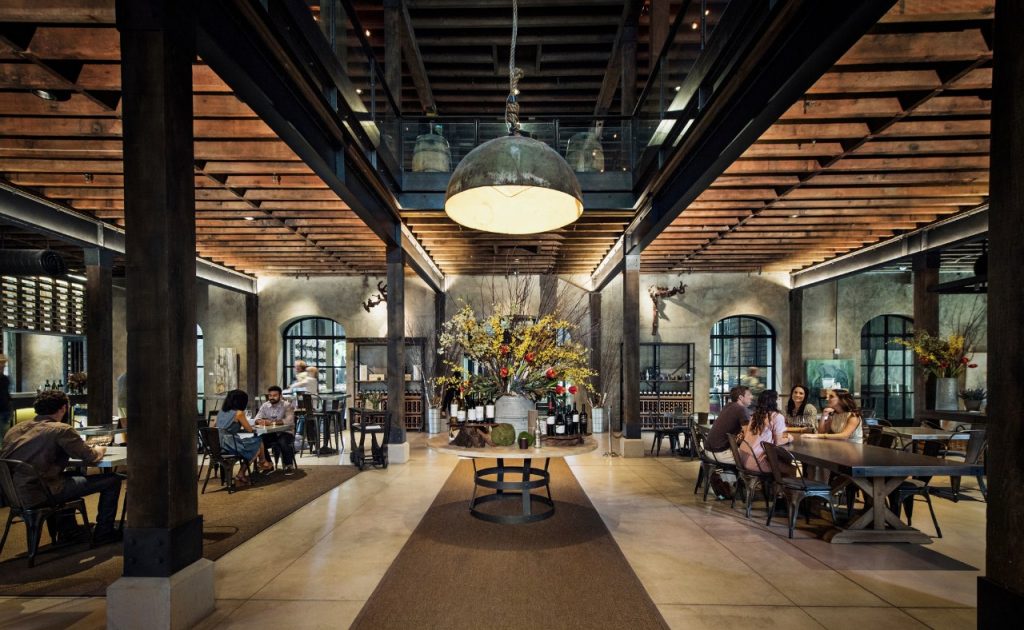
Can you tell us a bit about the history of Charles Krug?
Charles Krug’s Consulting Winemaker Angelina Mondavi: Established in 1861, Charles Krug stands as the oldest winery among Napa Valley wineries. Its inception followed the marriage of Charles Krug, a Prussian immigrant, to Carolina Bale, whose dowry included the estate. My family acquired the winery and estate in 1943 and are proud to say it still remains in the hands of Peter Mondavi Sr. Family ownership for five generations now.
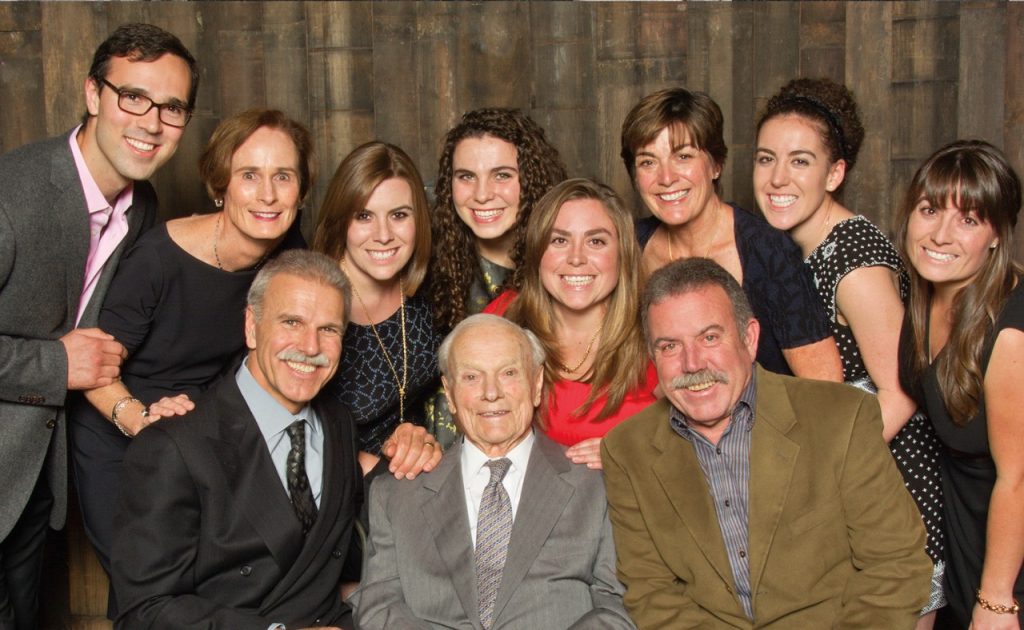
What initially sparked your passion for winemaking, and how did your journey lead you to Charles Krug?
Angelina Mondavi: I began working in the lab as a lab technician at the age of 10 years old and my love for science and Chemistry blossomed from there. I always loved being in the vineyards and in the winery with my father, Marc and grandfather Peter Mondavi Sr. learning how to smell and taste wines, but also the science behind it all. I was mesmerized from ten onward, so much so I majored in Chemistry with a minor in business, and now here I stand as a winemaker.

How do you navigate the balance between tradition and innovation in winemaking, particularly within a historic estate like Charles Krug?
Angelina Mondavi: Great question, this is hard because you want to always keep tradition and legacy in mind, but it is also pertinent to be open to new and adventurous ideas. Although this is an inner conflict for me, my priority is always finding the balance to honor both and provide quality first!
What are some of the most significant challenges you’ve faced as a winemaker?
Angelina Mondavi: Mother Nature, earthquakes, fires, and pandemic… All of this keeps me on my toes and will always keep me on my toes. Every vintage is a new vintage with its own challenges depending on climate and other external factors.
What role do you believe sustainability plays in modern winemaking, and how does Charles Krug incorporate sustainable practices into its operations?
Angelina Mondavi: Our family has always been at the forefront of sustainability. Without it, we would not be able to reproduce our great wine year in and year out. My grandfather Peter Mondavi Sr.’s philosophy was to always take care of the land and it will take care of you – that mindset has never wavered in our family… ever!

Are there any specific grape varieties or wine styles that you’re particularly passionate about working with?
Angelina Mondavi: I am passionate about all wines, but for me it is less on the variety or type of grape, but more about geeking out about the microclimates, the plethora of different soils, and how our properties can be grown side by side in Yountville (Voltz and Slinsen) and their personalities could not be further from each other! That is what I am most passionate about!

As a member of the Mondavi family, how do you honor the legacy while also forging your own path in the wine industry?
Angelina Mondavi: We continue to bring in French oak barrels, cold stabilize and do cold fermentation, all methods our grandfather, Peter Mondavi Sr. either was the first to introduce to California or created himself. We utilize the technology every brewmaster and winemaker uses in modern winemaking today. That is how we honor my family’s legacy of innovation.

What advice would you give to aspiring winemakers who are looking to establish themselves in the industry?
Angelina Mondavi: My advice would be to never stop learning, being open minded, and embrace change as it comes. Winemakers like myself are Type A control freaks (for lack of a better term)! Mother Nature is the dictator and once you accept that, embrace it with open arms, the wines will represent just that – the acceptance of that vintage and its uniqueness.
In your opinion, what are some emerging trends or developments that we can expect to see in the world of wine in the coming years?
Angelina Mondavi: We are seeing more grapes from other countries being planted and trialed, something my grandfather did in the 40s-70s. A lot of the next generation of winemakers focus on lower alcohols, but my focus has always been quality and ensuring all wines are balanced. I can’t just rip out a vineyard because I want to experiment. Vineyard management planning is looking 30 years out, not day by day.
How do you think technology has influenced winemaking practices, and what advancements do you find most exciting or impactful?
Angelina Mondavi: Technology has a place in modern winemaking, and I welcome all forms of innovation, however I must err on caution as today’s society relies too heavily on technology. Consider a scenario where a winemaker encounters a power outage.
If their training has primarily relied on using apps for making additions during fermentation or incorporating tartaric acid based on computer-generated formulas through winemaking applications, it’s essential for them to possess manual proficiency. Understanding the process manually ensures not only a comprehensive grasp of the formulas but also the capability to execute tasks by hand when necessary. Technology has allowed ease and efficiency, there is no denying this, but it is crucial to know how to work with wine without the reliability of computers, smart phones, and technologies.
What role do you see education playing in fostering a deeper appreciation for wine among consumers?
Angelina Mondavi: Education is always a must, it is important to have fun and remove the overwhelming intimidation of ordering a wine from a sommelier, or choosing a wine you may like in a grocery store or bottle shop. It is my desire that people are given information (and proper information!), so the consumer can make the decisions they are confident in, and in hopes can talk about that great wine and why they love it.